

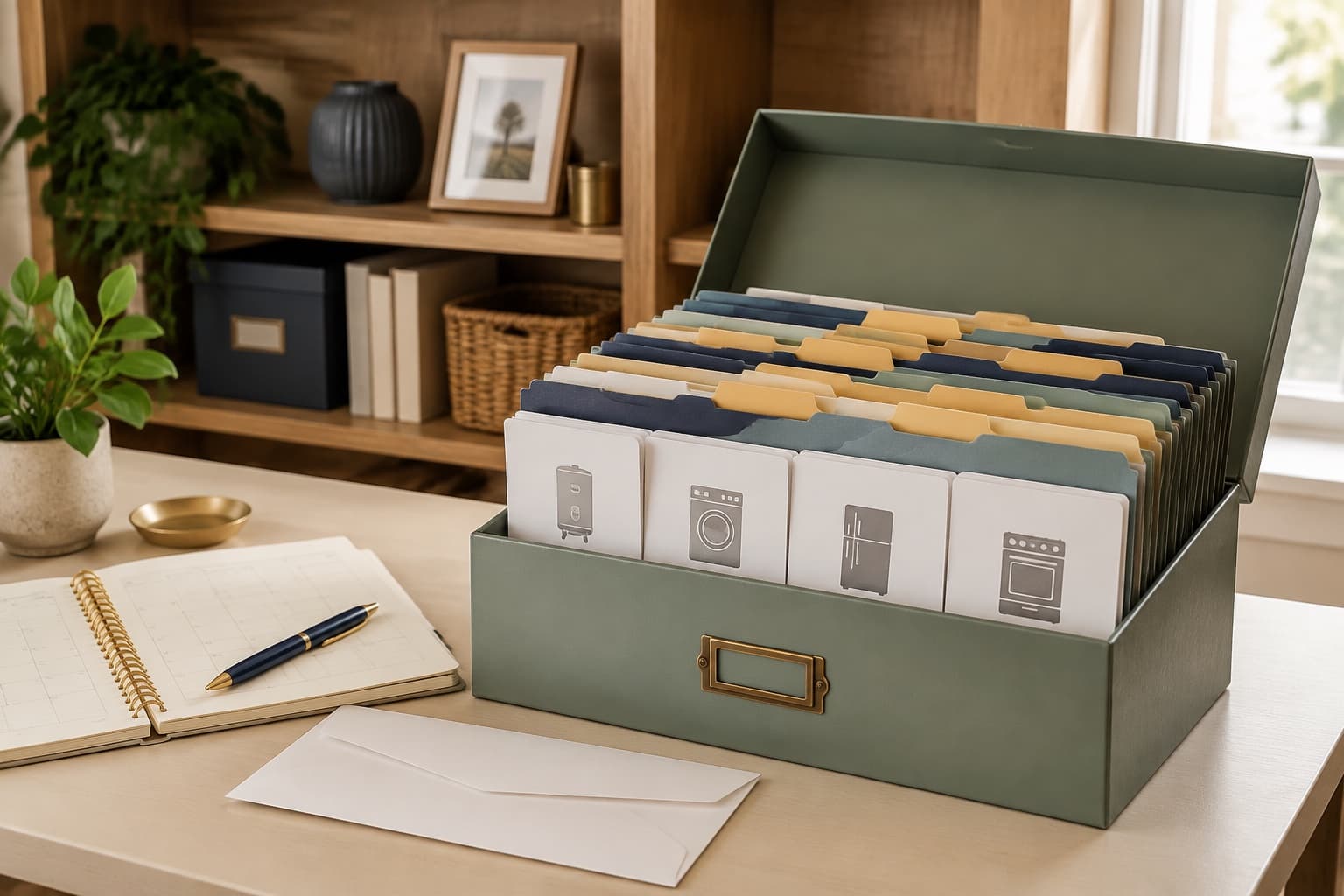
Pair each warranty with proof of purchase
Create one record for each major appliance, installed product, or home system that has a warranty or service agreement. Capture the manufacturer, product name, model and serial number, purchase or installation date, seller or installer, receipt location, and the exact warranty file. The Federal Trade Commission advises consumers to save a copy of a warranty and keep the product receipt with it because the receipt supports the purchase date and ownership record. Use the document’s actual coverage language. Do not summarize a warranty as full coverage unless the written terms say that and you understand the exclusions, limits, and required claim steps.
Summarize coverage without replacing the terms
Add a coverage summary that points back to the original document. Useful fields include start date, end date, covered components, excluded conditions, maintenance duties, claim contact, required documentation, labor or shipping terms, and whether a separate service contract exists. FTC guidance distinguishes a service contract from a warranty and tells consumers to examine claim and repair responsibilities. Use the summary as a navigation aid, not a replacement for the terms. If the contract, warranty, state law, or company guidance conflicts with your summary, correct the summary and rely on the original document or qualified advice.
Separate observations from service findings
Maintain a chronological service log beneath the product record. Record the date, observed issue, service company, work described on the invoice, parts identified, amount, warranty claim number if any, and the follow-up date. Keep the technician’s diagnosis in their words and label your own observations separately. Link photographs only when they help identify the product or documented condition. Avoid storing card numbers, passwords, door codes, or unrelated personal data. Keeping a clear line between an owner’s observation and a professional finding keeps the record honest about what the documents show.
Build reminders from authoritative terms
Set reminders from the written terms and manufacturer guidance, not from a generic schedule. Useful reminders may include registration deadlines, required maintenance, inspection windows, service-contract renewal decisions, and coverage expiration. Record the source and access date for each reminder. If a product is replaced, close the old record and link it to the new one rather than editing the identity fields. Preserve a canceled or expired agreement when it explains prior work, but clearly mark its status so no one mistakes it for current coverage.