

Start with the home you have
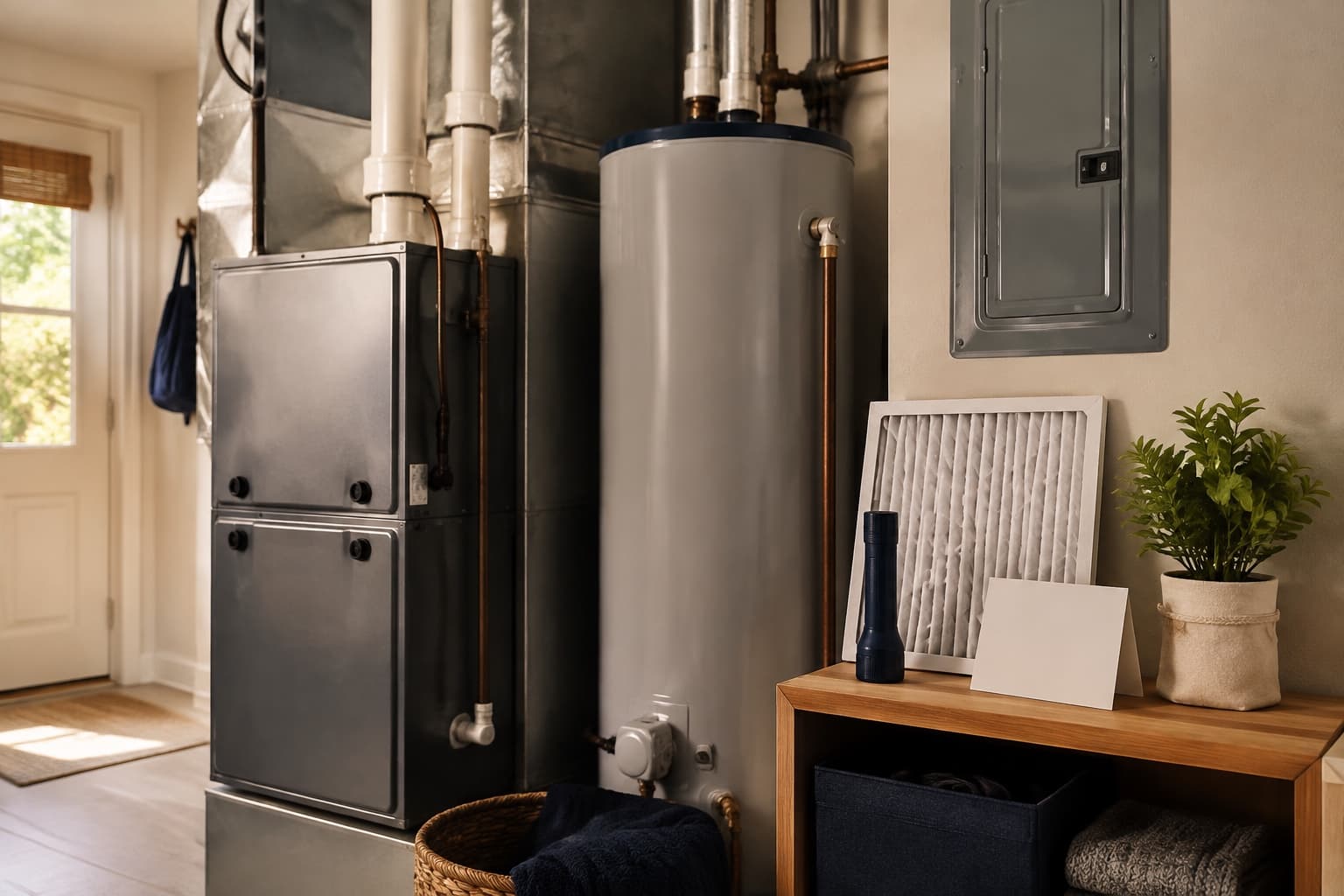
It is easier to find a manual or service date before something stops working. Make a short list of the equipment actually in your home: heating and cooling, water heating, laundry appliances, alarms, and any pool or generator equipment, for example. A Greenville bungalow and a newer Spartanburg home may call for very different lists. The U.S. Consumer Product Safety Commission publishes safety information for electrical products, dryers, smoke and carbon monoxide alarms, generators, pools, and other household equipment. Use the guidance for your specific product and its manufacturer rather than assuming one maintenance schedule fits every home.
Keep the details where you can find them
For each item, note the maker, model, purchase or installation date if you know it, where the manual and warranty are stored, and when a qualified professional last serviced it. A link to the official safety notice or recall lookup is more useful than a saved secondhand summary. The CPSC also provides a way to report unsafe products. If you notice a recall, overheating, damaged wiring, a fuel or combustion concern, or an alarm problem, stop treating the matter as routine upkeep. Follow the official notice and contact a qualified professional or emergency service as appropriate.
Write down what you know
A note such as “service due” or “professional follow-up needed” tells you what to do next. “Safe” or “fully inspected” says far more than a homeowner’s quick look can establish. Record who did the work, when it happened, and whether the timing came from a manufacturer’s manual or a service professional. Keep the invoice or report when there is one. That small amount of context helps you distinguish a reminder from a finding by someone qualified to inspect or repair the equipment.
Let the record grow with your home
Update the list when equipment is replaced, after significant service, and as seasons change. Keep an old record linked to its replacement so you can still understand past repairs or warranty questions. A dated photograph of a model label can be helpful; a picture that also captures a door code, security layout, or personal paperwork is not. Store the file privately and share only what a service provider needs. Over time, it becomes easier to see whether a problem is new or keeps returning.