

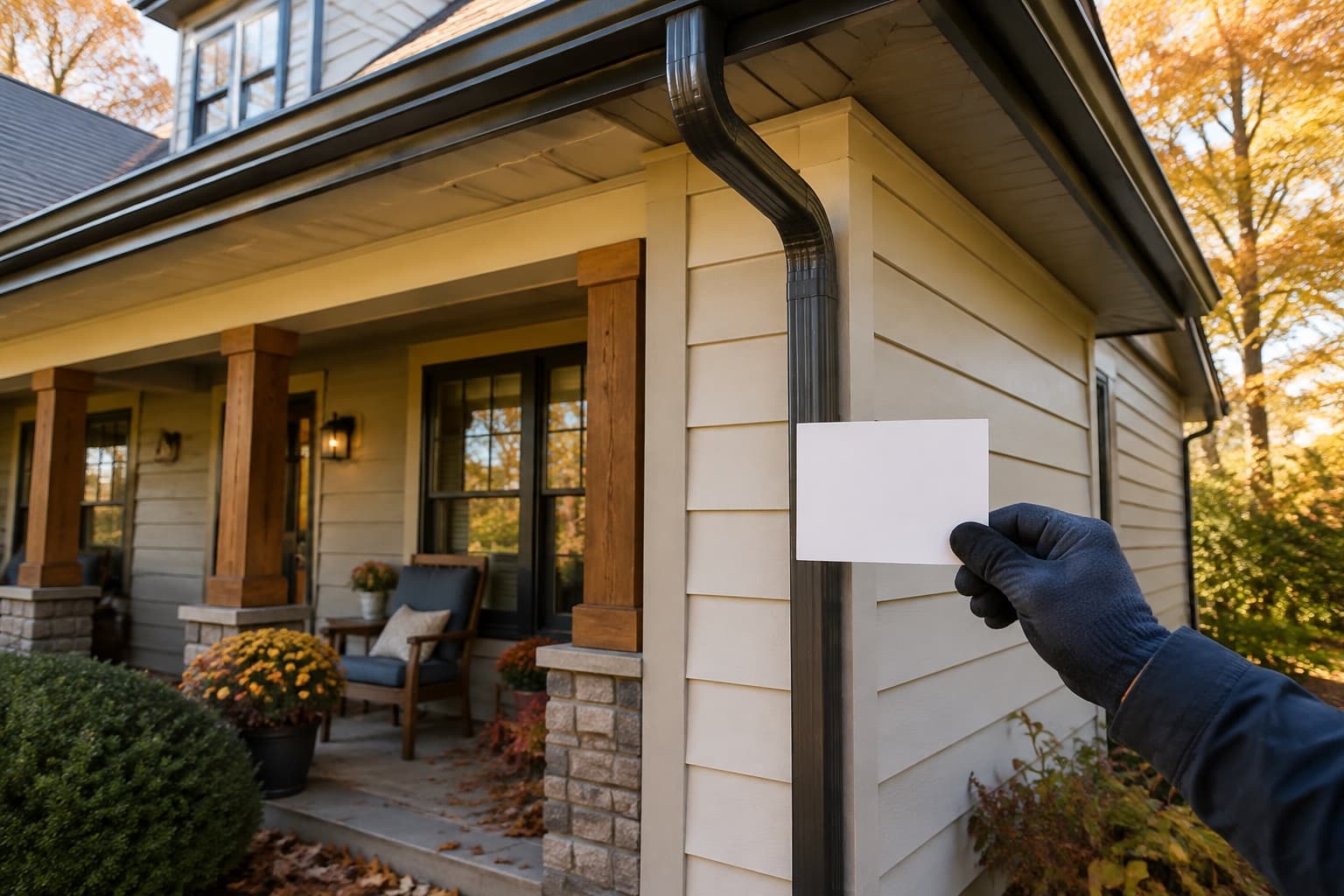
Use the same route each season
A seasonal walkthrough is an observation routine, not a technical inspection. Choose a consistent time near the start of each season and follow the same path through the home. Record what changed since the previous visit: a new stain, a loose seal, unusual equipment noise, a blocked vent, damaged weatherstripping, or a service reminder. The U.S. Department of Energy’s Energy Saver guide includes a season-by-season planning worksheet and prompts owners to consider which projects they can handle, which may require a professional, and what budget is available. That structure works well for a calm maintenance review without turning every observation into an urgent repair.
Record symptoms without diagnosing hidden causes
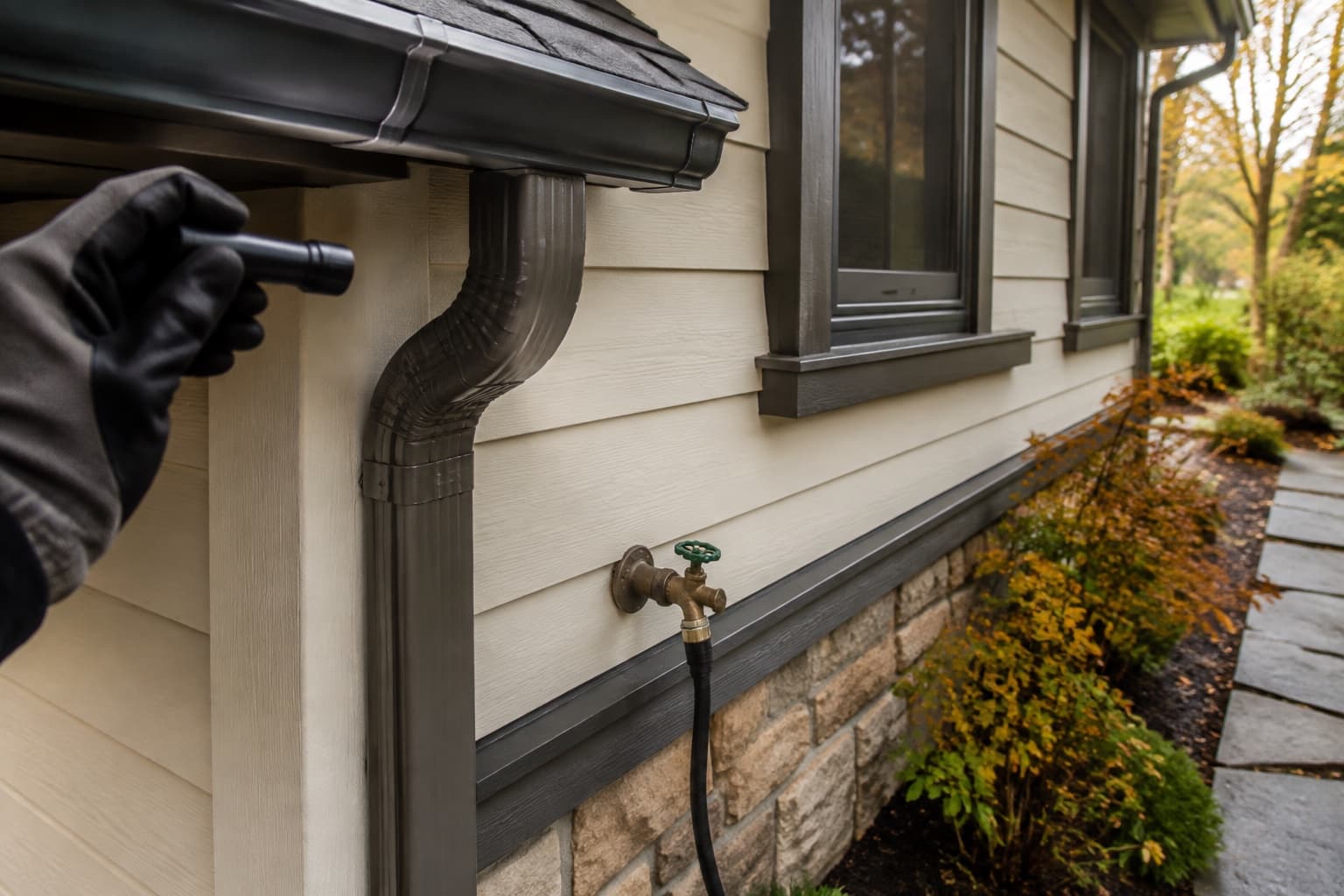
Begin outside only where access and conditions are safe. Observe doors, accessible windows, visible seals, drainage paths, exterior penetrations, and equipment areas from normal walking surfaces. Continue indoors through utility spaces, kitchens, bathrooms, living areas, and storage spaces. DOE guidance identifies air sealing and weatherization as common areas for evaluation, including openings around windows, doors, walls, ceilings, and fixtures. The walkthrough should capture symptoms, not diagnose hidden causes. Photograph an observation only if doing so is safe, and record its location and date. Contact a qualified professional for inaccessible, electrical, fuel-burning, structural, roofing, or otherwise hazardous conditions.
Give every observation a next step
Sort observations into four lanes: monitor, routine task, professional evaluation, and urgent safety concern. Monitoring means checking the same item again on a defined date. A routine task is something the manufacturer’s instructions or your established maintenance plan already covers. Professional evaluation means the cause or safe remedy is outside your knowledge or access. An urgent concern should be handled through the appropriate emergency or safety channel. Do not use a general checklist to decide that a potentially dangerous condition is harmless. The value of the lanes is consistency: each note receives a next step, an owner, and a target date.
Create a record another person can follow
Keep the maintenance log concise. For each entry, record the area, observation, date, photo reference if any, selected action lane, responsible person, and follow-up date. When work is completed, add the service provider, invoice or receipt reference, warranty information, and the exact equipment or material involved. Avoid storing access codes, alarm codes, payment credentials, or unnecessary personal information in the log. A useful history shows what was observed and what happened next. It does not need to contain every conversation or duplicate a contractor’s full technical report.