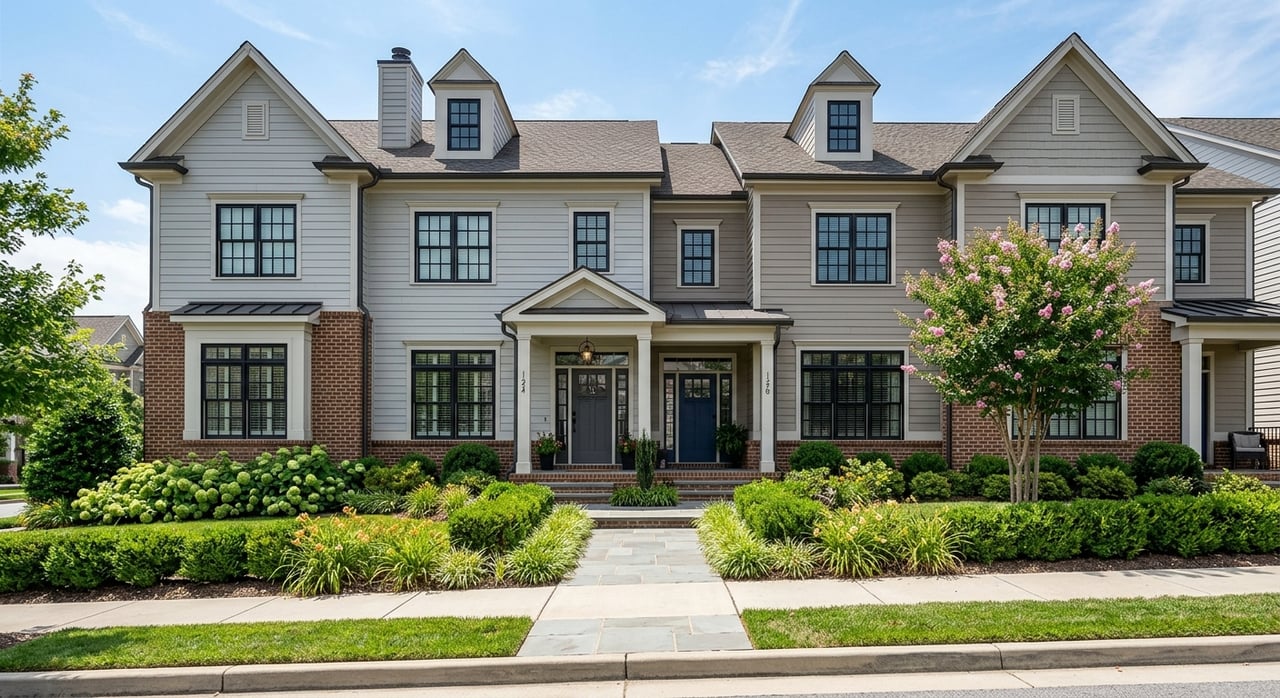
Wondering whether a townhome or condo in Greer could simplify your life and still fit your budget? If you want less exterior upkeep, a lower-maintenance lifestyle, or a more accessible entry point into homeownership, attached living can be worth a close look. The key is knowing what you are actually buying, what the monthly fees cover, and how to review the rules before you commit. Let’s dive in.
Why attached living stands out in Greer
Greer is growing quickly, and that growth is shaping the local housing mix. The City of Greer notes that the city sits along Interstate 85 between Atlanta and Charlotte, and the Census Bureau estimated Greer’s population at 46,316 in July 2024, up from 35,308 in the 2020 Census.
That growth helps explain why attached homes matter here. In recent market snapshots, Redfin reported townhomes in Greer with a median listing price of $240,000, while the same source showed condo inventory as very limited. The practical takeaway is simple: if you are shopping in Greer, you will usually find more townhome choices than condo choices.
Attached homes can also offer a lower price point than the broader market, although listing portal data is never perfectly apples-to-apples. Redfin’s townhome page showed a $240,000 median listing price, while the citywide median listing price reported by Realtor.com was $409,000 through the same research summary. For many buyers, that makes townhomes and condos an important category to consider.
Townhome vs condo ownership
One of the biggest buyer mistakes is assuming the word "townhome" tells you everything you need to know. It does not. In Greer, the legal structure behind the property matters just as much as the layout or the photos.
Under South Carolina’s Horizontal Property Act, a condominium owner has exclusive ownership of the unit plus a shared right to common elements. Those common elements can include the land, foundations, roofs, halls, lobbies, stairways, and other shared areas.
South Carolina’s HOA statute also makes clear that governing documents matter. The declaration, bylaws, and related documents determine ownership rights, maintenance responsibilities, and what rules apply. Those documents must be recorded in the county office to be enforceable.
What this means for you
If you are buying a condo, you usually own the interior unit and share ownership or use of common areas. If you are buying a townhome, the legal setup may vary. Some townhomes are part of a condo-style regime, while others are in a planned community where ownership and maintenance rules differ.
That is why you should never rely on the listing description alone. You need to review the declaration, bylaws, and association documents to confirm exactly what you own and what you are responsible for maintaining.
What monthly fees may cover
For many buyers, the biggest appeal of condo or townhome living is reduced maintenance. But that convenience comes with recurring fees, and you need to know what those fees actually include.
According to Fannie Mae’s condo buying guidance, mandatory association fees often cover exterior repairs and maintenance of common areas. Depending on the community, they may also include water, sewer, trash service, amenities, insurance, or reserve funding.
South Carolina law also states that co-owners contribute on a pro rata basis to administration, maintenance, and repair of common elements. In other words, those fees are not just a convenience charge. They help fund the shared parts of the property that everyone depends on.
Common fee items to verify
Before you buy, ask for a clear breakdown of whether the fee includes:
- Exterior maintenance
- Roof maintenance or replacement
- Landscaping
- Water and sewer
- Trash service
- Parking
- Master insurance coverage
- Amenity maintenance
- Reserve contributions for future repairs
A lower monthly fee is not always better. If reserves are too low or maintenance has been deferred, you may face larger costs later.
Greer taxes require a closer look
Greer spans both Greenville and Spartanburg counties, so property taxes are not something you should estimate casually. The exact tax bill depends on the property’s address and taxing jurisdiction.
According to South Carolina’s property tax FAQ, owner-occupied real property is assessed at 4%, while commercial or rental real property is assessed at 6%. Millage rates are then set by the county, school district, or municipality.
Why county location matters
If you are comparing two attached homes in Greer, one may sit on the Greenville County side and the other on the Spartanburg County side. That can affect your tax estimate and your full monthly payment. Before you finalize your numbers, confirm the county and ask for a property-specific estimate.
Financing a condo or townhome
Financing is sometimes more complex with condos than buyers expect. Your lender is not only evaluating you. In some cases, the lender is also evaluating the project itself.
Fannie Mae explains that lenders may review the physical condition of the community, financial stability, structural debt, evacuation orders, pending litigation, and mandatory inspections for condo projects. Fannie Mae also identifies common project concerns such as critical repairs, insufficient master insurance, major litigation, and projects that function more like hotels or short-term-rental properties.
Questions to ask early
As you compare properties, ask these questions before you get too far down the road:
- What does the HOA or condo fee cover?
- Are there any special assessments?
- Are there unresolved repairs in the community?
- Is there pending litigation involving the association?
- What rules apply to renting the unit?
- What limits apply to modifications?
- Does the lender consider the project eligible or warrantable?
If you want to check condo project eligibility, Fannie Mae provides its Condo Project Manager and status tools through lender channels and guidance resources. This is one reason experienced representation matters. A great floor plan is not enough if the project creates financing issues.
Why document review matters so much
In attached-home purchases, your document review can be just as important as the inspection. You are not only evaluating a property. You are also evaluating the association’s rules, finances, insurance structure, and repair history.
Fannie Mae’s consumer guidance says buyers should ask about special assessments, reserve balances, parking, master insurance, modification rules, renter policies, and the time allowed to review condo documents after an offer is accepted. That review window is important because it may be limited.
Documents worth reviewing carefully
Ask for and review:
- Declaration or master deed
- Bylaws
- Rules and regulations
- Current budget
- Reserve information
- Assessment history
- Master insurance summary
- Meeting notes, if available
You can also use South Carolina’s HOA education resources from the Department of Consumer Affairs to better understand HOA-related laws and complaint processes. For buyers in Greer, that is a helpful reference point when you want to understand your rights and obligations more clearly.
Is a townhome or condo right for you?
A townhome or condo can be a smart fit if you want a simpler ownership experience, less exterior maintenance, or a potentially lower entry price than some detached homes in Greer. It can also work well if you prefer predictable shared maintenance over handling every exterior repair on your own.
The tradeoff is shared governance. You will need to live within the association’s rules, budget for recurring fees, and understand how reserve funding and assessments could affect your long-term costs.
Signs attached living may fit your goals
You may like this option if you want:
- Less yard and exterior upkeep
- A lower-maintenance lifestyle
- More townhome inventory choices in Greer
- A potentially lower purchase price than some detached options
- Shared responsibility for major common elements
Signs you should pause and review closely
Slow down if you find:
- Unclear maintenance responsibilities
- Fees without a clear breakdown
- Low reserves
- Special assessments
- Ongoing litigation
- Restrictive rental or modification rules that do not fit your plans
A smart buying approach in Greer
Because Greer has more townhome inventory than condo inventory in current snapshots, your search may naturally lean toward townhomes first. Still, the right choice is not about the label. It is about the ownership structure, monthly cost, rules, financing path, and how well the property supports your day-to-day life.
A careful review upfront can help you avoid surprises later. If you want guidance sorting through attached-home options in Greer, comparing ownership structures, and reviewing the details that affect your bottom line, connect with Victor Lester for experienced, local support.
FAQs
What do you own when you buy a condo in Greer?
- Under South Carolina law, you typically own your individual unit and share rights to common elements such as the land, roofs, foundations, halls, and other shared areas.
What is the difference between a townhome and a condo in Greer?
- A townhome describes the style of home, but not always the legal ownership structure; the recorded declaration and bylaws determine what you own and what the association maintains.
What can HOA or condo fees cover in Greer communities?
- Fees may cover exterior maintenance, common-area upkeep, water, sewer, trash, insurance, amenities, parking, and reserve funding, depending on the community.
Why do property taxes vary for homes in Greer?
- Greer spans Greenville and Spartanburg counties, so taxes depend on the property’s exact address, jurisdiction, assessment ratio, and local millage rates.
Why is financing a condo in Greer sometimes harder?
- Lenders may review the entire condo project, including financial stability, insurance, repairs, litigation, and project eligibility, not just your personal loan application.
What documents should you review before buying a condo or townhome in Greer?
- You should review the declaration, bylaws, rules, budget, reserve information, insurance summary, and any history of assessments or major repairs.