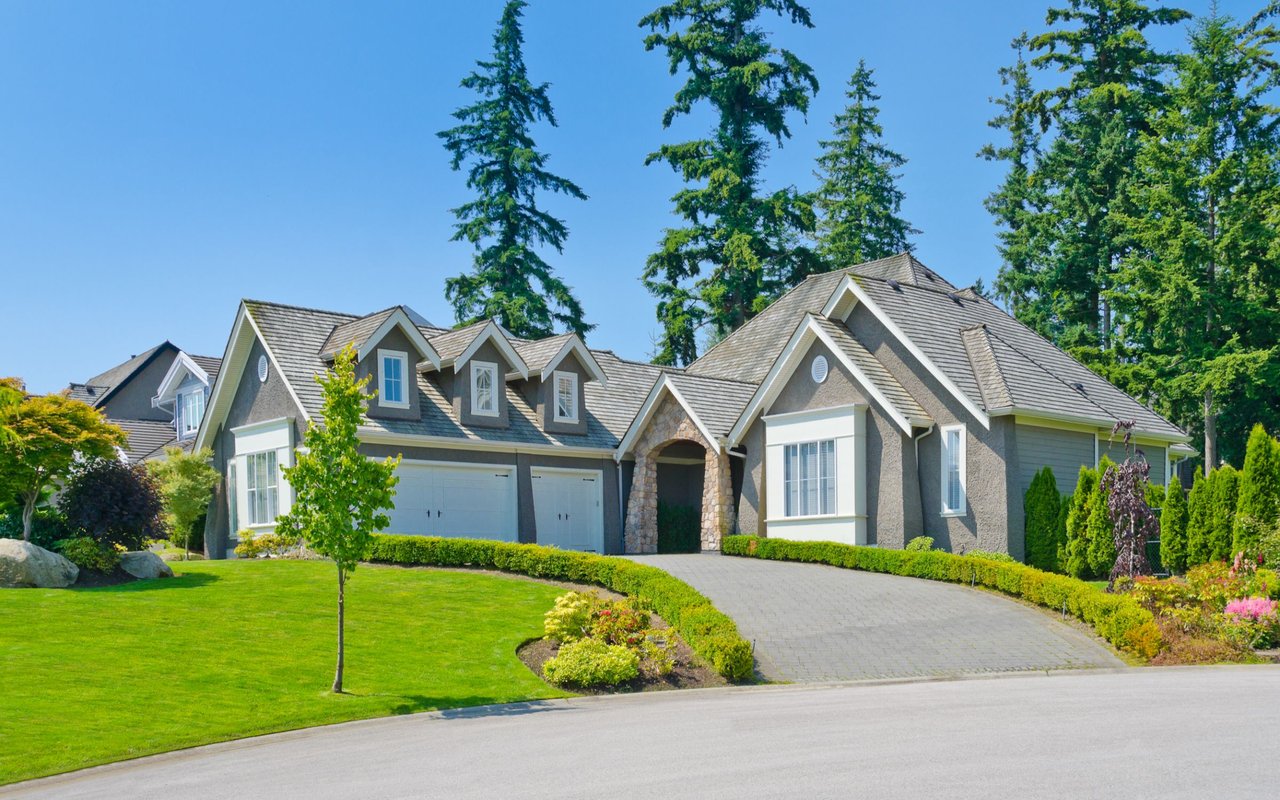
If you picture life on acreage as nothing but peace and wide-open space, you are only seeing part of the story. Buying land around Landrum can give you more room, more privacy, and a foothills setting that feels different from a standard neighborhood lot, but it also comes with extra decisions and upkeep. If you are thinking about buying acreage here, it helps to know what daily life may actually involve before you make an offer. Let’s dive in.
Why Landrum Acreage Appeals to Buyers
Landrum offers a mix that many buyers are looking for: a more rural setting with access to town and regional routes. The city notes that Landrum sits in Spartanburg County, just west of Interstate 26 between Spartanburg and Asheville, with the Blue Ridge Mountains shaping the backdrop and Greenville accessible by highway as well. That location helps explain why acreage buyers often see Landrum as a place where you can enjoy more land without feeling completely cut off.
The area’s identity also matters. According to the City of Landrum history page, Landrum is closely tied to horse farms, equestrian trails, hiking, the Palmetto Trail, and nearby natural attractions. If you want a property that supports a more outdoor-focused routine, acreage here may fit that goal well.
At the same time, local planning priorities show that growth is being balanced with character. The City of Landrum planning department emphasizes preserving small-town character while supporting thoughtful growth and customer-focused services. In nearby unincorporated areas, Spartanburg County’s performance zoning ordinance also highlights the importance of protecting rural character, agricultural land, and environmental resources.
Understand the Tradeoff
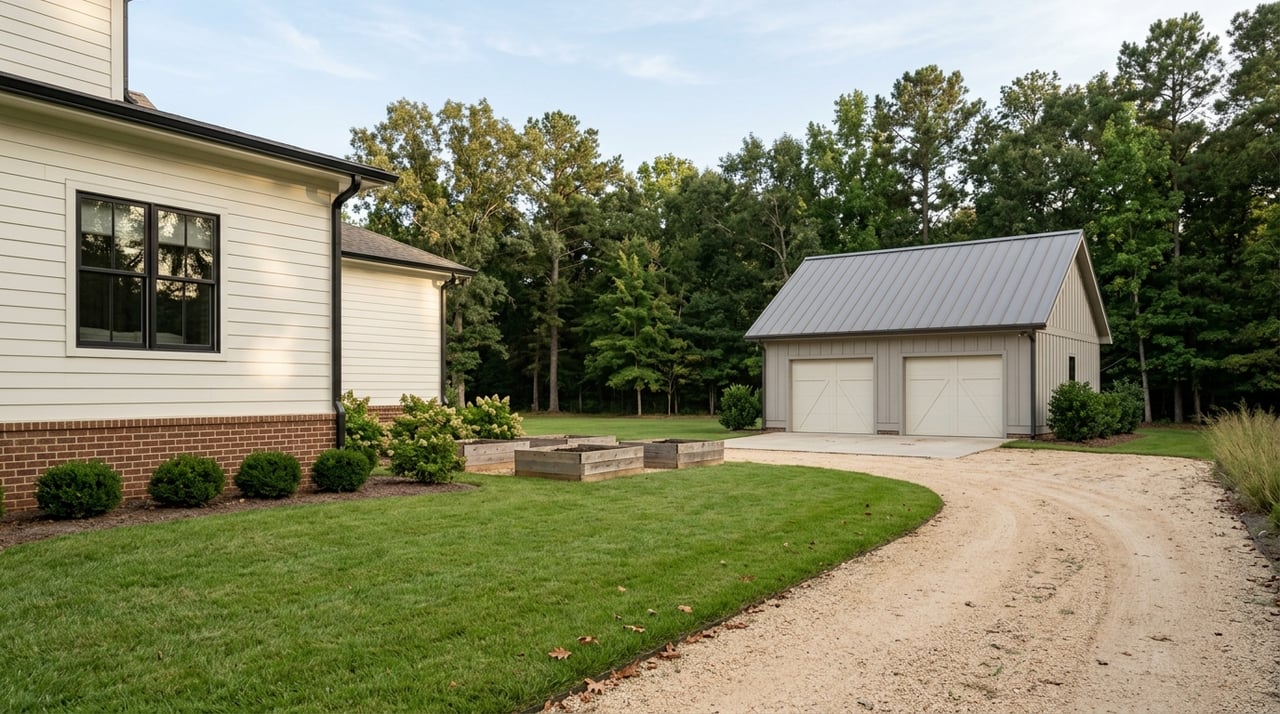
The biggest benefit of acreage is simple: more space and flexibility. You may have room for a garden, an outbuilding, or just a quieter daily pace than you would find on a smaller lot. For many buyers, that lifestyle shift is the whole point.
The tradeoff is responsibility. On a larger parcel, you may need to think more about drainage, mowing, septic care, well protection, and project approvals than you would on a more conventional lot. That does not make acreage a bad choice, but it does mean you should buy with a clear plan.
Verify Utilities Early
One of the most important steps when buying Landrum acreage is confirming utilities at the parcel level. A Landrum mailing address does not automatically mean the property has city services available. Before you move forward, make sure you know exactly what serves the property today and what may need to be installed, extended, or maintained privately.
Within the city, the official Landrum utilities page lists garbage service through the city, water and sewer through Spartanburg Water Systems and the Sanitary Sewer District, electric through Duke Power, natural gas through Greer Commission of Public Works, and internet options including Charter Communications and HughesNet. For acreage outside city limits, service availability may look very different.
If a property uses a private well, you will also want to understand the ownership responsibility that comes with it. The EPA’s private well guidance states that private wells are not regulated by EPA or required to follow EPA standards, which means homeowners are responsible for protecting their drinking water. That is a key difference from being on a public system.
Utility Questions to Ask
- Is the property on public water and sewer, or private well and septic?
- Who provides electric service?
- Is trash pickup available at the address?
- What internet options are actually available at the parcel?
- If utilities are not already in place, what approvals or installation steps may be required?
Septic and Well Care Matter More on Acreage
If the home has a septic system, you should treat that as a major part of your due diligence. Clemson Extension says South Carolina septic systems are regulated by SCDHEC, recommends inspections every one to two years, and notes that average household pump-outs are generally needed every three to five years. Clemson also says that a well-maintained septic system can last 20 to 30 years, which shows why routine care matters.
The location of the drainfield is especially important when you are planning how to use the land. According to Clemson’s guidance on landscaping over septic drain fields, septic drainfields work best with minimal traffic, and roof and driveway runoff should be diverted away from the field. That can affect where you drive equipment, where you place improvements, and how you manage stormwater.
Planting choices matter too. Clemson says only grass should be planted over the septic tank and drainfield, and vegetables, trees, and shrubs should not be planted there. The same source notes that the minimum distance between a septic system and a private well in South Carolina is 75 feet, which is another reason buyers should understand the site layout before closing.
Plan for Land Maintenance
Owning acreage usually means your maintenance list shifts outdoors. Instead of focusing only on the house, you may spend more time thinking about mowing, drainage paths, slope management, and protecting sensitive parts of the property from heavy traffic. Those tasks can be manageable, but they are easier to budget for when you know what to expect.
This is especially relevant in foothill areas where lots may be sloped or uneven. Clemson’s garden planning guidance says sloping sites can still work well if rows are contoured to the slope, terraces are used when erosion is an issue, and raised beds are considered for steep or poorly drained areas. That same advice can help you think more broadly about how the land will function beyond gardening.
Signs the Land May Need Extra Planning
- Noticeable slope changes across the homesite
- Areas where water may collect after rain
- Limited flat space for parking, play, or outbuildings
- Tree cover that reduces usable sun for gardens
- Driveways or roof runoff flowing toward a septic area
Think Through Gardens and Outdoor Use
Acreage often attracts buyers who want to grow vegetables, add landscaping, or spend more time outdoors. That can be a great fit in Landrum, but the best setup depends on sun, water access, slope, and septic placement. It is smart to look at all of those pieces together, not one at a time.
For vegetable gardens, Clemson recommends at least six hours of direct sun, avoiding shade from trees and shrubs, and choosing a site close to water so the garden is easier to maintain. If you are buying with plans for a large garden, orchard, or hobby use, walk the property with those goals in mind. A pretty lot is not always the same thing as a practical one.
Check Zoning Before You Buy
This is one of the biggest issues acreage buyers should not overlook. Before planning a shed, barn, fence, workshop, or home-based workspace, you need to know whether the property is inside Landrum city limits or in unincorporated Spartanburg County. The rules may differ depending on which jurisdiction applies.
The City of Landrum planning page says zoning regulations guide what and where you can build, and the city asks property owners to contact city hall before starting a project. For county properties, the Spartanburg County performance zoning ordinance provides the standards buyers should review.
That county ordinance includes several details acreage buyers may care about. Accessory buildings for residential activities must stay at least five feet from adjoining property lines and beyond front-yard setbacks. It also states that fences and walls may be placed within setbacks and along property lines, which can be helpful if privacy or lot definition is part of your plan.
There is another detail many buyers miss: personal-use storage buildings are allowed on residential property with an existing residence, but if the parcel is vacant, the proposed building is treated as a principal activity and needs a zoning and or building permit. If your plan is to buy land first and add a shed, workshop, or barn before building the house, that distinction matters.
If You Want a Hobby Setup
Some buyers also want room for a home office, small workshop, or other home-based activity. In Spartanburg County, home occupations are allowed in a dwelling or accessory structure, but they are limited to 25 percent of the home’s floor area and 750 square feet. The ordinance also says they cannot create off-lot noise, fumes, odors, glare, or similar impacts.
That does not answer every property-specific question, but it gives you a starting point. The safest approach is to verify the current rules for the exact parcel before you assume a future use will be approved.
A Simple Acreage Buyer Checklist
Before you make an offer on Landrum acreage, try to answer these questions:
- Is the property inside the City of Landrum or in unincorporated Spartanburg County?
- What zoning rules apply to the parcel?
- Is the home on public water and sewer or private systems?
- If there is a septic system, where are the tank and drainfield located?
- If there is a well, what protections and maintenance responsibilities come with it?
- Where are the setbacks, easements, and likely buildable areas?
- Can your intended shed, barn, fence, garden, or hobby use fit the site and the rules?
- What land maintenance should you expect based on slope, drainage, and access?
Buy With a Clear Plan
Buying acreage in Landrum can be a great move if you want more space and a rural foothills setting with practical access to town and regional highways. The key is making sure the property fits how you actually want to live, not just how it looks in photos. When you verify utilities, understand zoning, and think through maintenance before you buy, you put yourself in a much stronger position.
If you are exploring acreage in Landrum or anywhere across the Upstate, working with an experienced local advisor can help you ask better questions early and avoid expensive surprises later. Connect with Victor Lester for informed guidance, responsive support, and a smoother path to the right property.
FAQs
What should buyers verify first on Landrum acreage?
- Buyers should first confirm whether the parcel is inside the City of Landrum or in unincorporated Spartanburg County, then verify utilities, zoning, septic or well details, and intended property uses.
What utilities are available in the City of Landrum?
- According to the city’s utilities page, Landrum lists garbage through the city, water and sewer through Spartanburg Water Systems and the Sanitary Sewer District, electric through Duke Power, natural gas through Greer Commission of Public Works, and internet options including Charter Communications and HughesNet.
What septic maintenance should Landrum acreage buyers expect?
- Clemson recommends septic inspections every one to two years and says average household pump-outs are generally needed every three to five years, with well-maintained systems often lasting 20 to 30 years.
What should buyers know about wells on rural Landrum properties?
- The EPA says private wells are not regulated by EPA or required to follow EPA standards, so homeowners are responsible for protecting their own drinking water.
Can buyers add sheds or barns on Landrum-area acreage?
- Buyers should verify the parcel’s jurisdiction and zoning rules first, because city and county standards may differ, and county rules include setback and permit requirements that can affect when and where accessory buildings are allowed.
What makes a good garden site on Landrum acreage?
- Clemson recommends a garden site with at least six hours of direct sun, limited shade from trees and shrubs, and easy access to water, while also avoiding septic tanks and drainfields.