Trying to choose between a condo near Main Street and a backyard in Simpsonville or Greer? You are not alone. Many buyers moving to Greenville, SC weigh walkable city living against the space and convenience of the suburbs. In this guide, you will see how daily life compares across commutes, housing, errands, parks, and nightlife so you can decide what fits your routine and budget. Let’s dive in.
Quick take: Downtown vs suburbs
- Downtown Greenville: walkable lifestyle, short trips, vibrant street life, and easy access to Falls Park and cultural venues.
- Greenville suburbs: more space, garages and yards, car-first errands, quieter evenings, and quick access to regional shopping corridors.
- Your best fit hinges on commute needs, space priorities, school zoning, and how you like to spend evenings and weekends.
A day in downtown Greenville
Picture a short stroll to coffee on Main Street before work. If you live in a condo or townhome near the city center, you may walk or bike to the office, grab lunch along the West End, and run errands on foot. After hours, you can take an easy walk to the Peace Center, stop by a farmers market, or meet friends along the river at Falls Park on the Reedy.
Daily life here leans into spontaneous plans. You can meet clients for a quick lunch, join a community event, or hop on the Swamp Rabbit Trail for an evening ride. Parking is a consideration, but many buildings include garage or reserved spaces, and public garages serve most destinations.
A day in the Greenville suburbs
In neighborhoods across Taylors, Mauldin, Simpsonville, Greer, or Travelers Rest, mornings often start in the driveway. You load up for work and school runs, then hit major corridors like I-85 or I-385. Errands typically involve a grocery center or big-box stop near Haywood Road or other suburban shopping nodes.
After work, evenings are quieter. You might grill in a fenced backyard, visit a neighborhood playground, or drive to a movie theater. On weekends, you can plan bigger outdoor outings, like hiking at Paris Mountain State Park or exploring trails around Furman University.
Commute and transportation
Downtown residents often enjoy shorter trips and more options. You can walk, bike, or use local bus service from Greenlink for select routes. The Swamp Rabbit Trail connects the city center to the north side and Travelers Rest for bike commuting or recreation.
Suburban residents rely more on personal vehicles. Major commuter routes include I-85, I-385, Haywood Road, Augusta Road/US-29, and Pelham Road/SC-291. Expect heavier congestion during morning and evening peaks, especially on routes feeding into downtown.
Practical tip: check drive times for your exact origin and destination at several times of day. If you intend to use transit, review Greenlink routes and schedules for your commute pattern.
Housing and space
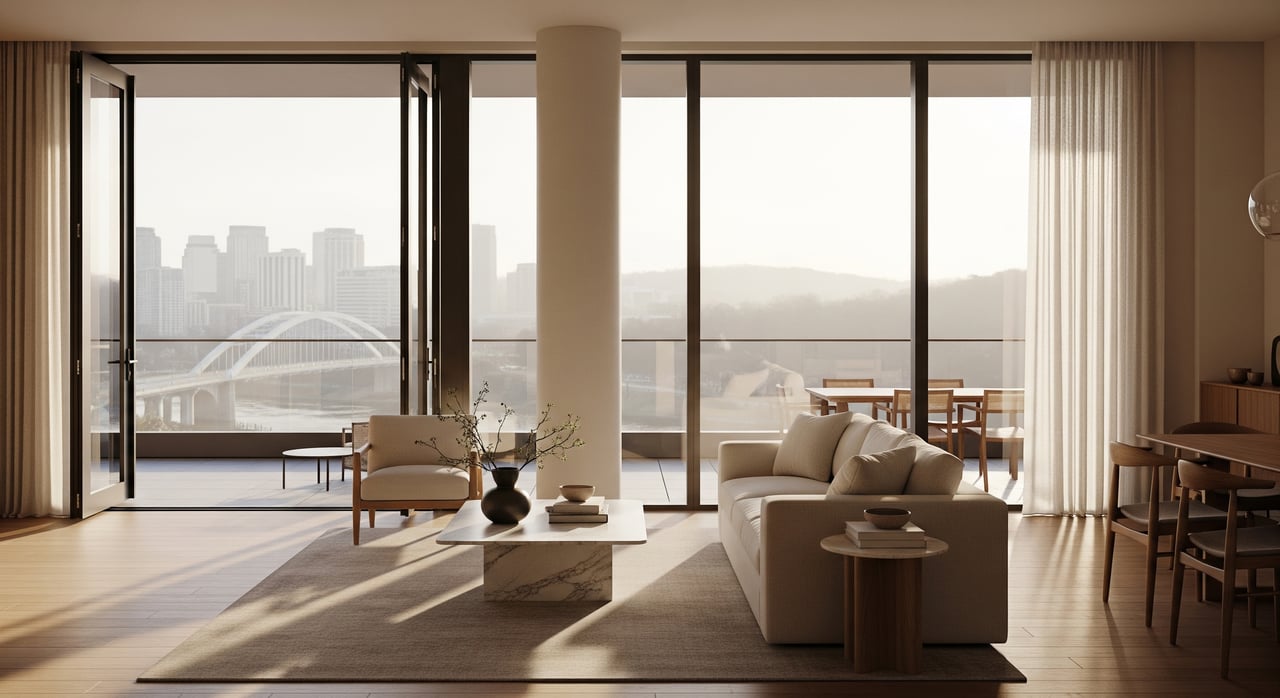
Downtown Greenville offers condos, apartments, and townhomes, plus some small-lot historic single-family homes near the core. These properties often provide lower maintenance and walkable access to jobs, arts, and dining. HOA fees and parking arrangements vary by building, so review what is included and what is optional.
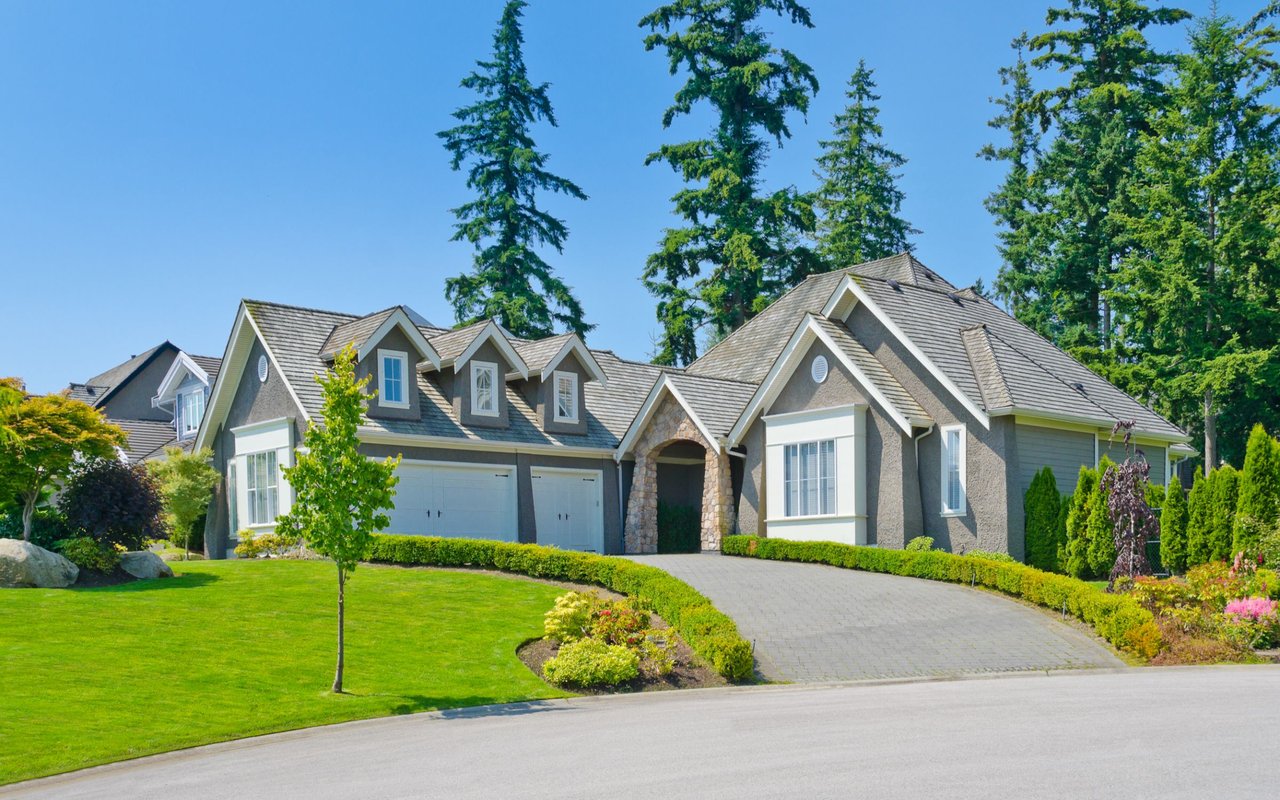
In the suburbs, you will see more detached single-family homes with garages and larger lots. Many planned communities include amenities like pools and playgrounds. Newer construction with modern floor plans is common. HOA rules differ by community, so verify pet policies, rental rules, and exterior maintenance standards before you write an offer.
If price-per-square-foot value and yard size matter most, suburban options may stretch your budget further. If proximity and minimal maintenance rank higher, downtown choices can be compelling.
Walkability and daily errands
Downtown concentrates coffee shops, restaurants, boutiques, and services within a few blocks. The Main Street corridor and West End offer a strong pedestrian environment and regular events that keep the sidewalks active.
Suburban errands are usually car-based. Many neighborhoods sit a short drive from grocery stores, pharmacies, and service providers in larger centers. Some pockets near mixed-use corridors feel more walkable, but most suburban layouts are designed for driving.
To assess a specific address, consider how often you want to run errands on foot and whether sidewalks, bike lanes, or multiuse paths connect your likely destinations.
Parks, trails, and outdoor time
Living downtown gives you quick access to Falls Park on the Reedy and the Liberty Bridge. You can step outside for a lunch break walk or an evening meet-up by the water. The Swamp Rabbit Trail begins near downtown, which makes it easy to bike north for recreation.
Suburban residents enjoy private yards for weekday downtime and have straightforward access to larger regional parks. Paris Mountain State Park is a popular weekend spot for hiking, mountain biking, and kayaking. You can also reach nature preserves and university trails across the county for longer outings.
Think of the tradeoff like this: downtown favors casual, social outdoor time woven into your day, while suburbs favor private space and bigger destination parks when you have a few hours.
Dining, retail, and nightlife
Downtown Greenville is dense with independent restaurants, craft breweries, coffee shops, and galleries. You will find frequent festivals and cultural events, including performances at the Peace Center. Evenings can be spontaneous because so many options sit within a short walk.
In the suburbs, you trade spontaneity for convenience. You get larger shopping centers, national retailers, and service providers with ample parking. Entertainment is more drive-to and schedule-driven. For many, this fits neatly into family routines and weekend planning.
Schools and family services
Greenville County Schools serves both downtown-adjacent neighborhoods and the suburbs. Attendance zones are neighborhood-specific and may influence your address choice. Private and faith-based schools are distributed across the region.
Childcare options vary by area. Downtown offers smaller providers and flexible hour options, while suburban corridors often include larger daycare centers near shopping and employment nodes. Always verify availability and enrollment policies directly with providers.
Use neutral criteria to compare: commute to school, program offerings, and your family’s schedule. For public schools, consult official district resources to confirm current boundaries and any transfer or magnet program guidelines.
Safety, noise, and livability
Street activity and nightlife in the core can bring more noise and turnover in parking. Suburban neighborhoods tend to be quieter in the evenings with lower pedestrian traffic. Perceptions of safety vary by block in both settings. For due diligence, consult official crime data and speak with local resources to understand patterns near specific addresses.
Parking and total costs
Downtown mixes meters, public garages, and resident or building permits. Some rentals and condos include garage parking while others require paid options. Factor this into your monthly budget.
Suburbs usually offer driveways and attached garages with more flexible street parking. You may spend more on vehicle ownership, fuel, and time depending on your commute length.
The bottom line: weigh all transportation costs alongside housing payments and HOA fees. The right choice balances convenience, time, and budget.
Which lifestyle fits you?
Choose downtown if you want:
- Short commutes and the option to walk or bike for daily needs.
- Proximity to restaurants, arts, and events along Main Street.
- Low-maintenance living with smaller indoor and outdoor footprints.
Choose the suburbs if you want:
- Larger homes, garages, and private yards.
- Car-first convenience for groceries, services, and school routines.
- Quieter evenings and easy access to regional parks and shopping corridors.
How to decide with confidence
Follow a simple process to match your lifestyle and budget:
- Map your commute. Check travel times from candidate neighborhoods to your workplace during peak and off-peak hours. Confirm if any Greenlink routes align with your schedule.
- Test daily errands. Spend an afternoon doing your usual stops from a downtown address and from a suburban address. Note time, parking, and stress.
- Walkability check. Visit blocks you like and see how sidewalks, crosswalks, and bike options feel at different times of day.
- Parks and recreation. Try the Swamp Rabbit Trail from downtown and visit parks like Paris Mountain to compare weekday vs weekend access.
- School and childcare due diligence. Verify attendance zones and program details with official district resources and speak with providers about availability.
- HOA and parking rules. If you are considering a condo or HOA community, review CC&Rs for rental, pet, parking, and maintenance policies.
- Compare total monthly costs. Include mortgage or rent, HOA fees, parking, fuel, and time value. Ask for neighborhood comps to understand price trends and resale considerations.
When you are ready to tour, you deserve a calm, data-backed process with an advisor who knows both downtown condos and suburban single-family homes across Greenville County. If you want clear guidance and a plan that fits your timeline, connect with Victor Lester for a focused consultation.
FAQs
How do commutes differ between downtown and suburbs?
- Downtown often enables walking, biking, or shorter drives, while suburbs typically rely on personal vehicles and major corridors like I-85 and I-385 during peak hours.
Can I live car-light or car-free in downtown Greenville?
- Many downtown residents walk or bike for daily errands and use Greenlink for select trips, but your exact routine depends on your home’s location and your destinations.
What housing types dominate each area?
- Downtown offers condos, apartments, and townhomes with smaller footprints, while suburbs emphasize detached single-family homes with garages and larger yards.
Where will I spend more time outdoors day to day?
- Downtown favors quick trips to Falls Park and the Swamp Rabbit Trail, while suburbs emphasize private yards and drive-to regional parks like Paris Mountain.
How does parking compare in daily life?
- Downtown parking involves garages, meters, or permits depending on your building and block, while suburbs commonly include driveways and attached garages.
How should families evaluate schools when choosing areas?
- Check Greenville County Schools’ attendance zones and program details, then align commute, schedules, and services with your family’s priorities in each neighborhood.