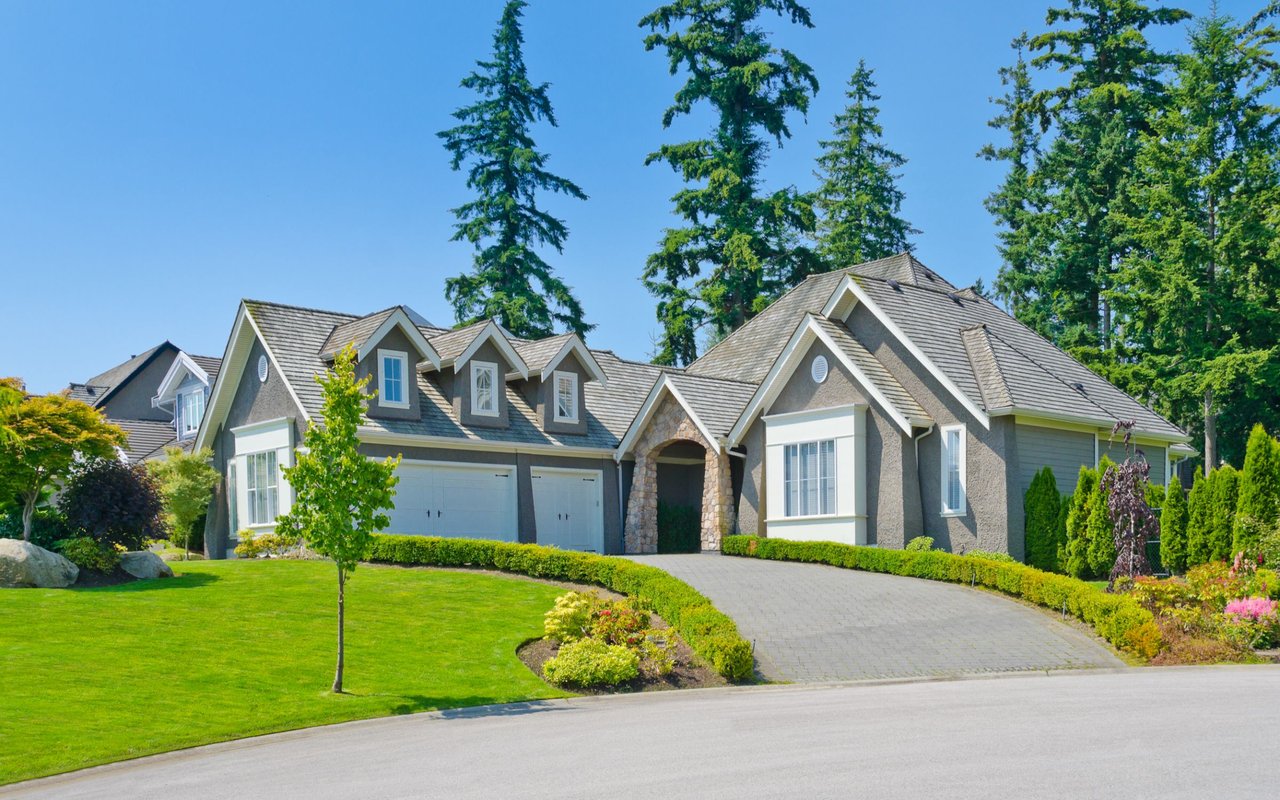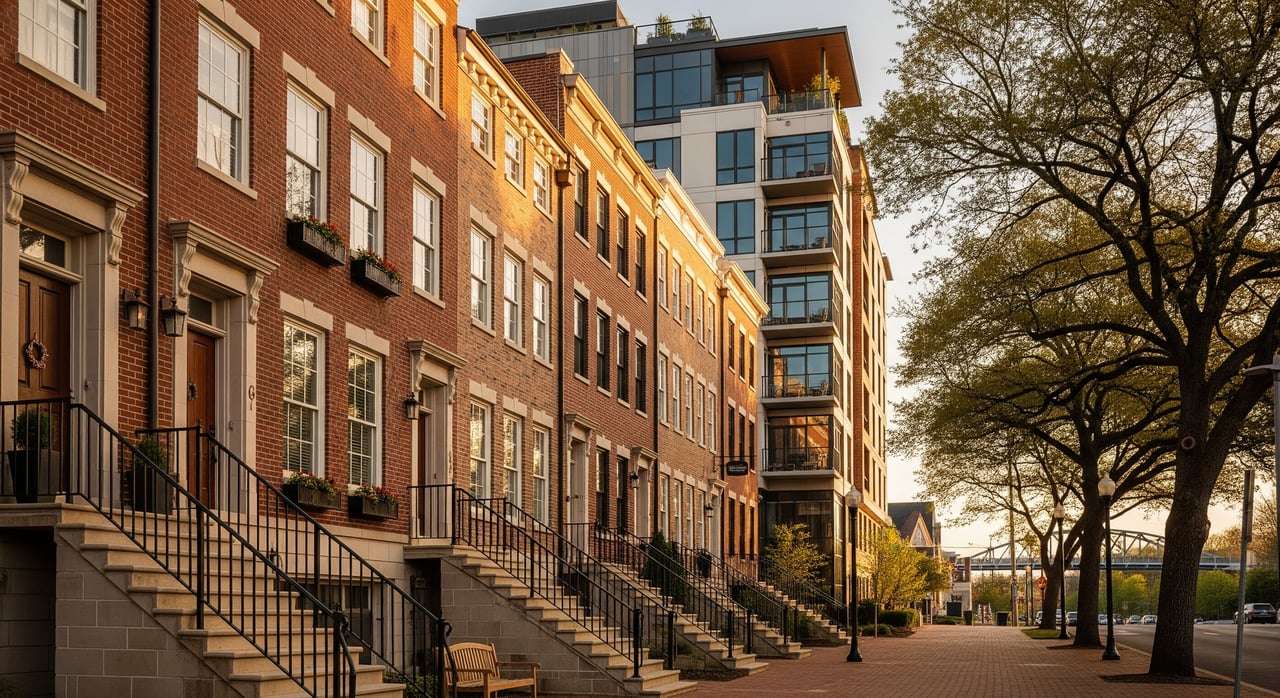
Trying to choose between a condo and a townhome in Greenville? You’re not alone. With options from downtown condos close to Falls Park to newer townhome communities across Greenville County, it can be hard to know which fits your lifestyle, budget, and long-term goals. In this guide, you’ll learn the real differences in ownership, costs, financing, maintenance, and resale so you can make a confident choice. Let’s dive in.
Quick definitions that matter
Condo basics
A condominium typically means you own the interior of your unit and a shared interest in common areas like the roof, exterior, grounds, and amenities. A condominium association manages these shared elements and sets rules through recorded documents. The association’s declaration, bylaws, and rules define responsibilities.
Townhome basics
A townhome is an attached residence with a private entrance and often a garage or small yard. Many townhomes in Greenville are fee-simple, where you own the structure and the land beneath it. Others are set up within an HOA or even a condo-style regime. Responsibilities for the exterior can vary.
Why labels can mislead
Never assume who maintains the roof, exterior, or driveway based on the word “condo” or “townhome.” In South Carolina, the specific split of duties is defined in the recorded declaration, plats, and HOA rules. Always confirm with the community documents before you write an offer.
Money matters in Greenville
Purchase price positioning
Condos often offer a lower entry price than detached homes and cluster near urban cores like Downtown Greenville. Townhomes usually sit between condos and single-family houses on price and square footage. Pricing shifts with the market, so review current Greenville MLS data for exact numbers in your target neighborhoods.
HOA fees and what they cover
Condominiums usually carry higher monthly dues because the association maintains major building elements, shared systems, and amenities. Townhome dues can be lower, but it depends on what the HOA covers. Review the current operating budget, the most recent reserve study, and any special assessments. Low reserves can lead to surprise assessments for big-ticket items like roofs, siding, or paving.
Property taxes
Greenville County assesses property taxes on each parcel or unit. In condominiums, common elements are treated differently than individual units. For an accurate picture, confirm the assessed value and current millage for the specific property through Greenville County property records before you finalize your budget.
Insurance differences
If you buy a condo, you’ll typically carry an HO-6 policy that covers interior finishes and personal property, while the association maintains a master policy for the building and common areas. If you buy a townhome, you often need an HO-3 policy that covers both interior and exterior. The exact coverage depends on whether the HOA handles exterior maintenance. Ask for the master insurance declarations so your insurance agent can quote the right policy and explain any gaps.
Financing and lending
Condo financing can be more complex. Many lenders require the project to meet specific standards around owner-occupancy, reserve levels, litigation status, and other items. FHA or VA borrowers may need the building to be approved for those loan types. Townhomes, especially fee-simple properties, are often easier to finance. No matter what you’re buying, work with a local lender early and confirm any project-level requirements so you can avoid surprises.
Maintenance and lifestyle tradeoffs
Condos: low-upkeep living
If you prefer minimal exterior maintenance, a condo can be a good fit. The association usually handles landscaping, exterior care, and building systems. Many downtown buildings offer amenities like gyms or pools. Keep in mind you will have neighbors above and below, which can mean more sound transfer compared with detached housing.
Townhomes: a house-like feel
Townhomes often include a garage and a private entry, with a layout that feels more like a single-family home. You may have a small yard or patio for personal outdoor space. Maintenance responsibilities vary widely by community, so verify whether the HOA covers items like roof replacement or exterior painting.
Rules, rentals, and pets
Associations set rules for rentals, pets, parking, and guest access. Some downtown condo buildings limit short-term rentals, and local ordinances may also apply within the City of Greenville or Greenville County. If rental flexibility matters, confirm any rental caps, lease minimums, and short-term rental policies in writing.
Resale and the buyer pool
Condos near walkable amenities can attract lifestyle-focused buyers and may rent more easily if allowed. Townhomes often appeal to buyers who want more interior space, a garage, and a private entrance while keeping maintenance lower than a detached home. Resale value is tied to the association’s financial health, location, and demand. Associations with weak reserves or ongoing litigation can weigh on values.
Greenville neighborhoods at a glance
Downtown, West End, and North Main
You’ll find a higher concentration of condominiums downtown and around the West End, steps from restaurants, offices, and cultural spots. Expect structured or assigned parking, sometimes with limited guest spaces. North Main and nearby corridors also offer attached options in select pockets.
Eastside and West Greenville corridors
These areas include a mix of loft-style condo conversions, small condo clusters, and townhome infill projects. You’ll see varied HOA structures and age ranges. Verify each community’s documents because responsibilities and rules can look very different block by block.
Suburban corridors across the county
Areas around Woodruff Road, Pelham Road, Haywood Road, and growing suburbs like Mauldin, Simpsonville, Greer, and Taylors often feature newer townhome communities. You may see more private garages and small yards, with HOAs that cover landscaping or exterior elements. New construction near I-385 and I-185 often includes townhome product that serves buyers priced out of larger single-family homes.
Zoning, parking, and short-term rentals
Zoning within the City of Greenville and Greenville County determines whether sites allow condos or townhomes and how dense they can be. Downtown buildings may have garage or assigned parking. Townhome communities usually include private garages, with guest parking noted on the plat. If you plan to rent, check local short-term rental rules and confirm the HOA’s policies.
Which is right for you? A simple framework
You may lean condo if:
- You want a low-maintenance, lock-and-leave lifestyle.
- You value on-site amenities and walkability to downtown.
- You’re comfortable with higher HOA dues that cover big-ticket items.
- You’re okay with potential financing checks specific to condos.
You may lean townhome if:
- You want a private entry and often a garage, with a house-like feel.
- You prefer some outdoor space, like a small yard or patio.
- You want HOA dues that may be lower, paired with more personal maintenance.
- You want simpler financing, especially with FHA or VA.
Due diligence checklist for Greenville buyers
Documents to request early
- Recorded declaration/CC&Rs and plats
- Bylaws and rules and regulations
- Current operating budget and most recent reserve study
- Minutes from the past 12–24 months of association meetings
- Master insurance declarations with clear “all-in” or “bare walls” definitions
- Special assessment history and any pending assessments or association loans
- Any pending litigation involving the association or developer
- Owner-occupancy ratio and rental restrictions, including short-term rental policies
- Reserve balances and recent capital projects (roofing, siding, paving, elevators)
- Assessment payment history and any liens on units
- Parking assignments, storage, and key use restrictions
Inspections and technical checks
- Hire an inspector experienced with condos and attached housing.
- For older condo buildings, ask about building-level evaluations of roofs, envelopes, elevators, and shared systems.
- Confirm responsibility for decks, fences, driveways, and patios.
Lending and title checks
- If using FHA or VA, confirm the condo’s approval status and obtain your lender’s condo questionnaire early.
- Order preliminary title work to identify easements, restrictions, and any special taxing districts.
Questions to ask the HOA or listing agent
- Who maintains the roof and exterior walls?
- What exactly does the master insurance policy cover, and what’s the owner’s responsibility?
- Are any special assessments planned or under discussion?
- Does the association have a recent reserve study? What are current reserves?
- Is the community still under developer control? When does it transition to owners?
- Are there known infrastructure issues, such as roofing, plumbing stacks, elevators, or parking structures?
Your next steps with a local pro
Here’s a simple plan to move forward with confidence:
- Clarify your priorities. Decide how you weigh walkability, parking, private outdoor space, HOA dues, and commute.
- Review real-time data. Compare active and recent sales for Greenville condos and townhomes in your target areas. Look at HOA fee ranges and what each fee covers.
- Get pre-approved. Talk with a local lender, especially if you’re considering a condo or using FHA/VA financing.
- Request documents early. Build your file with declarations, budgets, reserve studies, and insurance summaries before you go under contract.
- Inspect smart. Use an inspector who knows attached housing and verify responsibilities for major components.
If you want a calm, data-driven process from search to close, we’re ready to help across Greenville and the broader Upstate. Our team brings decades of experience with downtown condos, suburban townhomes, and everything in between. We’ll help you verify the details that matter, negotiate the right terms, and move to the closing table with confidence.
Ready to compare properties side by side and map out your budget? Get your free home valuation & consultation with C. Victor Lester & Associates.
FAQs
What is the main ownership difference between condos and townhomes in Greenville?
- Condos usually include ownership of the interior plus shared interest in common elements, while many townhomes are fee-simple where you own the structure and land; always verify responsibilities in the recorded declaration and HOA documents.
How do HOA fees compare for Greenville condos vs townhomes?
- Condo dues are often higher because the association maintains more elements like roofs, exteriors, and amenities; townhome dues can be lower but vary based on what the HOA covers, so review budgets and reserve studies.
What should I know about financing a Greenville condo purchase?
- Many lenders require the condo project to meet standards for owner-occupancy, reserves, and litigation status; FHA/VA borrowers may need project approval, so confirm requirements with a local lender early.
Are short-term rentals allowed in Greenville condos or townhomes?
- It depends on both local ordinances and the community’s rules; check City or County policies and the HOA’s rental restrictions, including any short-term bans or lease minimums.
Which has better resale potential in Greenville: a condo or a townhome?
- Resale depends on location, association health, and demand; downtown condos can attract lifestyle-focused buyers, while suburban townhomes often appeal to those seeking more space and a garage. Review comps and HOA health before deciding.