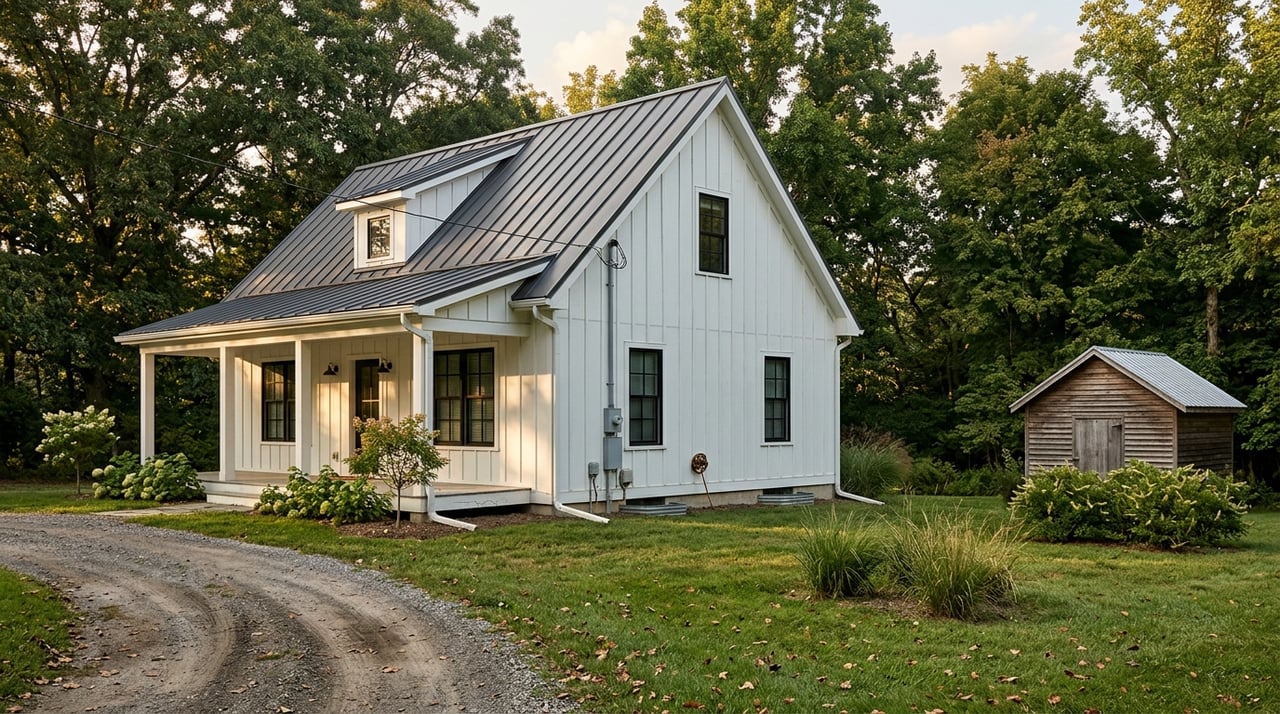
Dreaming about a Campobello farmhouse with a porch, some land, and room to build your own version of country living? It is an exciting idea, but these properties can come with more moving parts than a typical home purchase. If you are considering a fixer-upper with acreage, the smartest path is to look beyond charm and focus on the house, the land, and the approvals together. Let’s dive in.
Why Campobello farmhouses need extra due diligence
A farmhouse in the Campobello area is often as much a land purchase as it is a home purchase. Some properties are inside town limits, while many are in unincorporated Spartanburg County, and that can affect which office handles certain development and subdivision matters.
That difference matters because Spartanburg County does not use traditional parcel-by-parcel zoning in the same way many buyers expect. Instead, county review often focuses on development standards such as setbacks, landscaping, bufferyards, parking, and related requirements. If you are buying with future plans in mind, you want those details confirmed early.
Start with the fixer, not the finishes
It is easy to fall in love with old wood floors, wide porches, and original trim. But with an older farmhouse, the biggest costs often hide behind walls, under floors, or above ceilings.
In Spartanburg County, residential work may require separate permits for building, electrical, plumbing, mechanical, sprinkler, and alarm work. The county’s current code set includes the 2021 International Residential Code, the 2021 Property Maintenance Code, and the 2020 National Electrical Code. That means repairs are not just about taste. They may involve code compliance and multiple layers of work.
Before you budget for countertops or paint colors, focus on the major systems first. In most farmhouse purchases, the practical priority list looks like this:
- Roof condition
- Structural integrity
- Electrical system
- Plumbing system
- Heating and cooling
- Drainage and moisture control
That order can help you separate a manageable fixer from a money pit. Cosmetic updates can wait. Core systems usually cannot.
Watch for lead and moisture issues
If the farmhouse was built before 1978, lead-based paint is a real possibility. Renovation work that disturbs painted surfaces should be handled with lead-safe certified contractors.
Moisture is another early red flag. Mold control starts with moisture control, and water-damaged areas should be dried promptly. If you see staining, soft flooring, musty smells, or signs of past leaks, treat that as a systems issue, not just a cosmetic one.
Confirm water, sewer, and electric by address
Rural utility service in the Campobello area is address-specific. You should not assume that a property has public water, sewer, or the utility setup you want just because another nearby home does.
Spartanburg County’s utility directory for the area includes providers such as the Inman Campobello Water District, Duke Energy, and Broad River Electric Cooperative. State guidance also advises buyers to check with local government to determine water and sewer availability before buying land for a home.
This step matters even more if you plan to expand, add structures, or make the home your long-term homestead. A property that works for today may not fit your future plans if utility capacity is limited.
Septic and well questions can make or break the deal
For many rural and farmhouse properties, the biggest due diligence items are septic and well service. If the home is not served by a public or community sewer system, septic approval and permitting are critical.
In South Carolina, septic systems are the homeowner’s responsibility. If you are buying land for a home or planning significant changes, septic approval and a permit may be required before the county can issue a building permit.
If the property already has a septic system, ask for:
- The septic permit
- Tank location
- Pumping history
- Repair history
- Any documentation showing system updates or inspections
For older homes, locating the system may not be simple. Depending on the age of the property and what is on file, a licensed septic contractor may need to identify the system on site.
Private wells also require careful review. Private well owners are responsible for testing and treating their own drinking water, and state guidance says a flooded private well should be disinfected and tested before use. If the farmhouse uses a well, ask for available records and current water test information.
Access and flood review matter more than buyers expect
A long driveway and open land can feel peaceful, but access is not just about convenience. It can affect safety, permits, and future use.
Spartanburg County says fire department access roads must reach within 150 feet of all parts of the first floor. Designated fire lanes must be at least 20 feet wide and able to carry firefighting apparatus. If a property has a narrow, steep, or poorly maintained drive, that deserves closer review.
Flood risk also needs attention before closing. FEMA is the official public source for flood-hazard maps, and Spartanburg County maintains floodplain verification and permitting tools through its Engineering and Flood Plains office. For a farmhouse with creeks, low spots, or open acreage, this is not a box to check at the last minute.
Think beyond the house to barns and outbuildings
Many Campobello farmhouse buyers are not just buying a home. You may be buying space for storage, hobbies, gardening, animals, or future improvements. That is why outbuilding rules matter.
In Spartanburg County, accessory buildings generally must follow setback rules. The county also states that there is no limit to the number of accessory buildings, and dry-storage sheds and greenhouses are generally limited to rear-yard and rear-setback areas under the ordinance.
Farm structures such as barns, sheds, and poultry houses may qualify as farm structures, but the owner must file an affidavit before construction. Even then, plumbing, electrical, or mechanical permits may still be required depending on the project.
If your dream property includes a future barn, workshop, greenhouse, or equipment shed, verify those requirements before you close. It is much easier to plan with facts than to discover limits after the purchase.
Planning a second dwelling? Check first
Some buyers picture a guest cottage, a second home for family, or a future parcel split. Those goals may be possible, but you need answers before you buy.
Spartanburg County says two detached single-family dwellings may be allowed on one parcel if dimensional and street-access requirements are met. The county also notes that second residential structures require prior approval before addresses or permits are issued.
If you may someday subdivide the land, there are more moving parts. The county requires a licensed South Carolina surveyor for subdivision work, and road-frontage rules depend on road classification and whether right-of-way has been dedicated. A farmhouse with extra acreage is not automatically a future multi-home property.
Understand possible agricultural tax impacts
If the land already has agricultural tax treatment, that can affect your ownership costs. South Carolina says privately owned agricultural property is assessed at 4% of use value, while other real estate is generally assessed at 6% of fair market value.
That lower assessment can be meaningful, but future changes in use may come with consequences. The state also says rollback taxes can apply if agricultural land is converted to another use, covering the current year and the previous five tax years.
If tax treatment is part of the property’s value to you, confirm how the land is currently classified and what your intended use could mean later.
A smart Campobello farmhouse checklist
Before you make an offer, treat the property like both a home purchase and a land-use review. A careful checklist can help you avoid expensive surprises.
Here are the key items to verify:
- Deed and title search
- Restrictive covenants
- Survey
- Septic permit and location
- Well records and water test results
- Utility availability
- Flood-zone status
- Permit history for additions and outbuildings
- Whether the property is inside Campobello town limits or in unincorporated Spartanburg County
Spartanburg County recommends checking restrictive covenants with a real estate attorney or title abstractor and does not interpret recorded restrictions for the public. That makes private review especially important when you want to use a property as a homestead.
From fixer to homestead starts with the right plan
The right Campobello farmhouse can offer character, land, and flexibility that are hard to find in newer homes. But the most successful buyers are the ones who look past the charm long enough to study the structure, utilities, access, permits, and future land-use options.
When you buy with a clear plan, you give yourself a much better shot at turning a fixer into a functional, lasting homestead. If you want experienced local guidance on acreage, rural homes, or older properties in Spartanburg County, connect with Victor Lester for trusted, process-driven help.
FAQs
What should you inspect first in a Campobello farmhouse fixer?
- Start with the roof, structure, electrical, plumbing, heating and cooling, and drainage before focusing on cosmetic upgrades.
What utility questions should you ask when buying a Campobello farmhouse?
- Confirm water, sewer, and electric service by address, because rural utility availability can vary from one property to the next.
What septic questions matter for a farmhouse in Spartanburg County?
- Ask for the septic permit, tank location, and pumping or repair history, and confirm whether additional septic approval is needed for your planned use.
What should you know about wells on rural Campobello properties?
- Private well owners are responsible for testing and treatment, so ask for available well records and recent water test information.
Can you add a barn or shed to a Campobello homestead property?
- Maybe, but you should verify setback rules, accessory-building requirements, and whether a farm-structure affidavit or permits will apply.
Can you build a second dwelling on a Campobello farmhouse parcel?
- It may be allowed in some cases, but you need to confirm dimensional, access, and prior approval requirements with Spartanburg County before closing.
Why does flood and access review matter for Campobello farmhouse buyers?
- Driveway access can affect fire and emergency access standards, and floodplain status can affect use, permitting, and long-term costs.