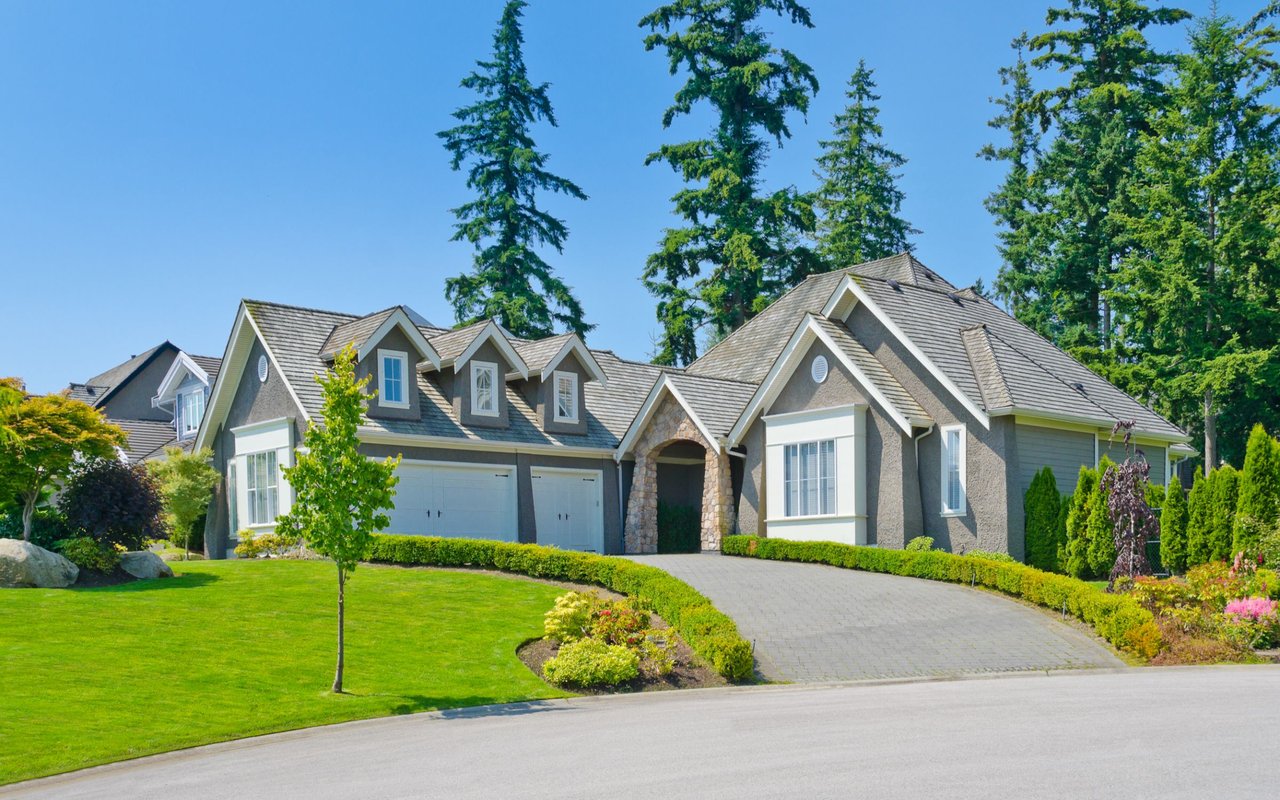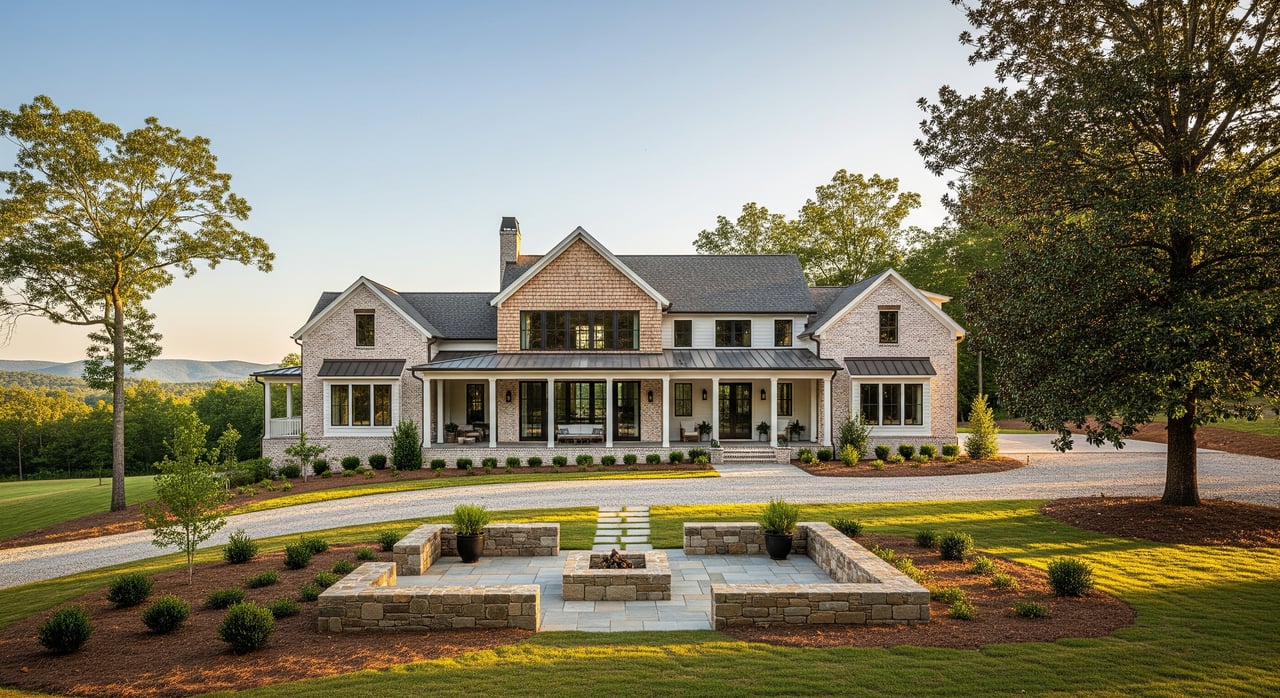
You have a lot of choice in Boiling Springs. From single-level ranch homes on quiet streets to newer two-story houses with pools and sidewalks, the area offers clear tradeoffs on space, privacy, commute, and upkeep. If you are trying to match a budget and lifestyle to the right home, a little structure goes a long way. This guide breaks down common layouts, lot sizes, neighborhood types, and the due diligence steps that help you buy with confidence. Let’s dive in.
Why Boiling Springs
Boiling Springs sits in Spartanburg County and attracts buyers who want suburban convenience at a generally lower cost than some larger Upstate markets. You will see a mix of older, established neighborhoods and rapid new-subdivision growth from the last 20 years. Many buyers choose the area for access to suburban schools, shorter drives to Spartanburg, and a range of home options.
Common home layouts
Boiling Springs has four main layout types you will see again and again. Each one solves a different set of needs. Use the pros and cons to focus your search.
Single-level ranch homes
These homes make daily life simple. They usually offer 2 to 4 bedrooms, a modest yard, and an attached garage. One-level living helps with accessibility and aging in place. You may find larger lots and mature trees in older streets, which means charm, shade, and sometimes more maintenance.
Pros: Easy living, fewer stairs, often larger lots in older areas.
Cons: Older systems or roofs may need updates. Square footage can be lower than two-story options at similar prices.
Two-story family homes
This is the most common style in suburban tracts. Bedrooms are usually upstairs with living spaces down, which maximizes square footage on a smaller lot. Expect 3 to 5 bedrooms, open kitchens, and 2-car garages.
Pros: More space per lot, popular for resale, community amenities are common nearby.
Cons: Stairs every day, smaller private yards in some newer subdivisions.
Ranch with finished basement or split-level
You get extra living space without a full second story. These homes are more common on larger or older lots. They can offer flexible rooms for a playroom, office, or guest suite.
Pros: Added space for hobbies or guests, good separation of areas.
Cons: Fewer available, and older homes may need mechanical updates.
Modern single-level new builds
Many recent builds feature open plans with a primary suite on the main level, large kitchen islands, and energy-efficient systems. Lots can be smaller, which keeps yard work lighter.
Pros: Newer systems, open living, low maintenance.
Cons: Smaller yards and HOA fees in amenity neighborhoods.
Layout features to prioritize
- Kitchen flow and island size for daily life and entertaining.
- Primary suite location on main vs. second level.
- Flex spaces for a home office or playroom.
- Storage options such as garage space, attic, or an unfinished basement.
- Ages of roof, HVAC, and water heater, which affect near-term costs.
Lot sizes and amenities
Lot sizes vary by era and neighborhood type. Match your yard preferences to your weekend plans and maintenance comfort.
Newer amenity subdivisions
These neighborhoods often include a pool, playgrounds, sidewalks, and sometimes a clubhouse. Lots are usually smaller, often under about one-third acre, which keeps mowing and landscaping simple.
- Upside: Social amenities, consistent appearance, lower yard work.
- Tradeoff: HOA rules and monthly or quarterly fees.
Established neighborhoods
Built mainly in the 1990s and 2000s, you’ll find medium-size lots with more mature trees and a quieter feel. Amenities are lighter, and styles vary more from house to house.
- Upside: Slightly larger yards, established landscaping, stable streets.
- Tradeoff: Fewer shared amenities, older systems to evaluate.
Semi-rural and acreage properties
Head toward the outskirts for larger lots, privacy, and room for a detached garage or shop. Some properties may use private wells and septic.
- Upside: Space, privacy, and flexibility.
- Tradeoff: Longer commutes, higher maintenance, and added checks for well and septic.
Infill pockets near Spartanburg
Closer-in areas may offer shorter drives and renovation potential on older homes. Lot sizes vary and may not include shared amenities.
- Upside: Convenience to city services and jobs.
- Tradeoff: Case-by-case condition and fewer community features.
HOAs and neighborhood rules
Many newer communities have HOAs that maintain common areas and guide exterior standards. Ask for the HOA disclosure packet early. Review: dues, reserve funding, exterior modification rules, rental restrictions, and any special assessments.
Match priorities to choices
Align your top three needs with the property types that fit best.
If budget and low maintenance lead
Look for newer subdivision homes on smaller lots or townhomes where available. You will likely see newer systems and less yard work. Plan for HOA fees and weigh the resale lift of a popular amenity neighborhood.
If schools and family lifestyle matter most
Confirm current school assignments before making an offer. Look for sidewalks, parks, and short drives to activities. Resale can benefit from a strong location and convenient neighborhood design.
If privacy and space are key
Acreage or semi-rural homes can deliver room for hobbies and outbuildings. Expect longer drives and more upkeep. Confirm well and septic details and any agricultural or utility easements.
If commute time is the constraint
Identify the primary route and test it during peak hours. You may trade a larger lot for a closer-in home with a smaller yard. Proximity to Spartanburg’s job centers can save time every day.
If resale is a priority
Favor lots with good street frontage, low flood risk, and access to desired daily conveniences. Location and school zone often outweigh cosmetic updates over time. A functional layout with a great kitchen and well-placed primary suite helps too.
Onsite viewing checklist
Bring this quick list to each showing.
- Floor plan: Single-level or two-story. Bedroom and bathroom count for today and five years from now. Primary suite location.
- Living spaces: Kitchen openness, island size, room for a table, flex room for office or play.
- Lot and site: Size, slope, drainage, tree cover, privacy, and usable yard area. Check for easements and setbacks.
- Neighborhood: HOA rules, amenities, street type (cul-de-sac or through street), and any nearby construction or planned development.
- Systems and structure: Roof, HVAC, water heater ages, signs of moisture, pests, or settlement.
- Commute: Drive the route at a busy time. Note alternative roads.
Due diligence and local checks
Protect your purchase by verifying the details that matter in Spartanburg County.
- Schools: Confirm current assignment with Spartanburg County School District 2 and review South Carolina Department of Education report cards.
- Flood risk: Use FEMA flood maps to confirm zone and insurance needs.
- Septic and well: For outlying properties, verify permits and service records with county offices or SC DHEC. Consider water testing.
- Permits and codes: Check with Spartanburg County planning and building departments for past permits and rules for additions or accessory structures.
- Taxes: Review the Spartanburg County Assessor and Treasurer information for rates and assessments.
- Inspections: Order a general home inspection. Add septic inspection, well testing, termite report, a survey, and a radon test if desired.
- Financial checks: Confirm utility providers and typical monthly costs, HOA fees, insurance quotes, and recent comparable sales.
Lifestyle and commute tips
Boiling Springs offers a range of daily-living styles, from pool-and-sidewalk communities to quiet, mature streets. If you want a social neighborhood, focus on newer amenity tracts. If you crave space and privacy, target larger-lot areas. Always test-drive your commute during rush times to see how the route feels day to day.
Next steps
Clarify your non-negotiables: layout type, bedroom count, primary suite location, lot size range, HOA preference, and commute ceiling. Ask your agent to set MLS filters for layout (single-level vs. two-story), primary on main, minimum lot size, HOA yes or no, and specific school zones for verification. Review HOA documents early and plan for system updates that inspections might flag.
When you are ready to map your needs to active listings, connect with Victor Lester for a focused search and a clear plan from showing to closing. We will help you compare layouts, lots, and neighborhoods so you can buy with confidence.
FAQs
How big are typical lots in Boiling Springs?
- Newer subdivisions often have smaller, lower-maintenance lots under about one-third acre. Established tracts from the 1990s–2000s tend to be medium size. Older or rural properties can range from half an acre to several acres.
Are there many neighborhoods with amenities like pools?
- Yes. Many newer developments include pools, playgrounds, sidewalks, and sometimes a clubhouse. Review the HOA for dues, rules, and what maintenance is covered.
Which floor plan works best for long-term comfort?
- Choose single-level for easy living and accessibility or two-story to maximize bedrooms and square footage on a smaller lot. Prioritize kitchen flow and primary-suite placement for daily comfort and resale.
How do schools influence neighborhood choice and resale?
- School assignment often guides buyer demand and can affect resale. Confirm the current zone with the district and review state report cards before you write an offer.
What extra costs should I expect beyond the purchase price?
- Budget for inspection findings, HOA dues if applicable, property taxes, insurance, and routine yard or maintenance costs. For properties with well or septic, include testing and ongoing service in your plan.