Thinking about selling your home in Boiling Springs but unsure when to list? Timing can feel tricky, especially when you are balancing family, work, and moving logistics. The good news is there are clear seasonal patterns and local factors you can use to plan with confidence. In this guide, you will learn the best windows to list, the key local metrics to watch, and a step-by-step prep timeline so you can hit the market ready. Let’s dive in.
Quick answer for Boiling Springs sellers
For most sellers in Boiling Springs, the strongest listing window is spring, roughly April through June. Buyer traffic is typically highest in late spring and early summer, and curb appeal often looks its best. A secondary window often appears in late summer or early fall, which can capture buyers who waited out spring.
Your exact best month depends on local supply, interest rates, new-construction competition, and your property’s condition. If inventory is tight and demand is strong, you can often succeed outside the traditional spring window as well.
Why timing works in Boiling Springs
Spring demand and school calendar
Many buyers in Boiling Springs plan moves around the school year. Listing in spring and targeting a late spring or early summer closing helps buyers move during summer break. This pattern consistently supports spring as the most active season for family-oriented neighborhoods.
Weather and curb appeal
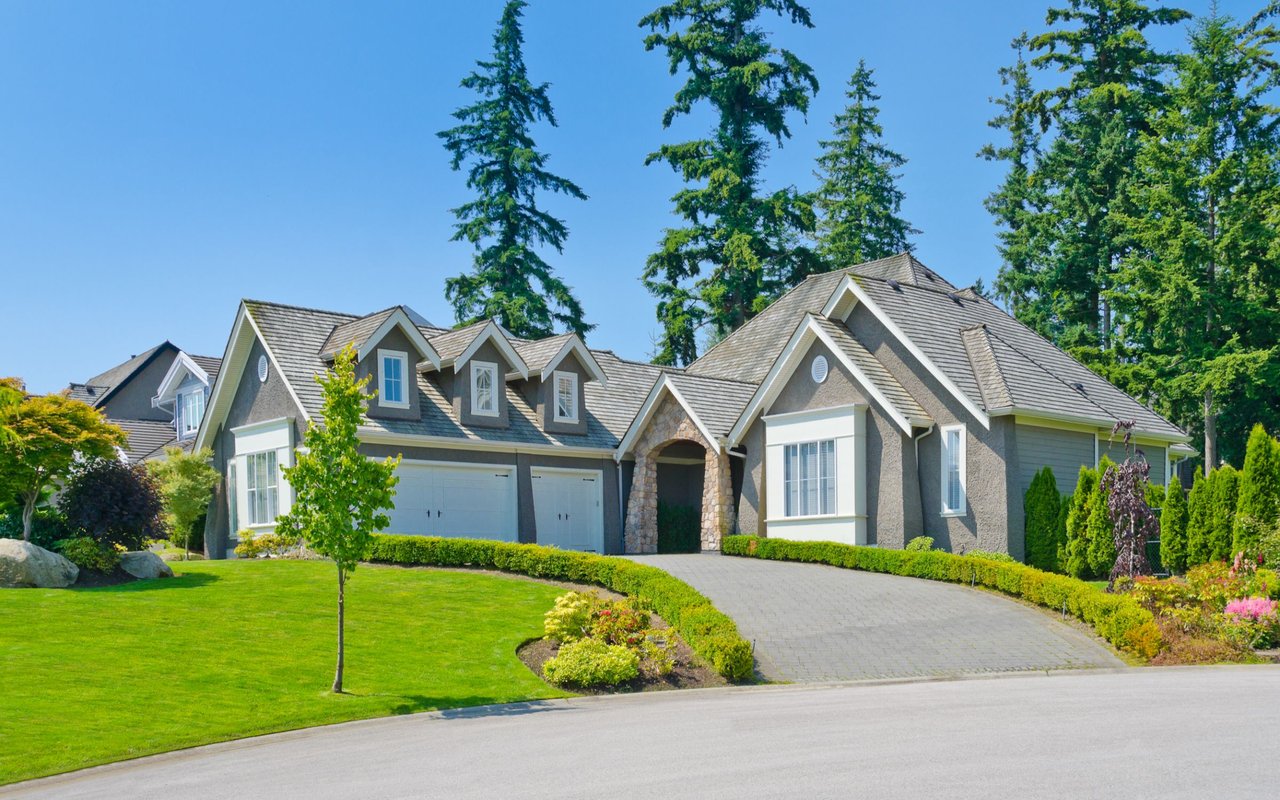
Boiling Springs enjoys mild winters and lush spring and summer landscaping. Green lawns, blooming plants, and longer daylight improve photos and showings. If your home has outdoor features like a pool or a large yard, warm months showcase them best.
Regional jobs and relocations
Spartanburg County and the broader Upstate have strong employment in advanced manufacturing and distribution. Hiring waves or employer announcements can boost buyer demand quickly. Stay alert to local employment news when choosing your listing month.
New construction and supply
New home communities around Boiling Springs can shift supply and pricing pressure. If nearby new construction ramps up, it can compete for buyers. Understanding how many new builds are closing relative to resales helps you time and price your listing.
When winter works
Winter and the holidays usually bring fewer buyers and longer Days on Market. That said, if inventory is very low, you can benefit from reduced competition. Winter buyers also tend to be more motivated, which can mean smoother negotiations and committed timelines.
Use data, not guesses
Key metrics to check before you list
- Months of inventory: Active listings divided by monthly sales. Under about 3 months is a seller’s market, around 4 to 6 months is balanced, and over 6 months is a buyer’s market.
- Median Days on Market (DOM): Lower DOM suggests stronger demand and faster sales.
- Sale-to-list-price ratio: Shows how close offers are to asking price.
- Median sale price and 12-month trend: Helps you understand price direction.
- Pending vs active ratio: More pendings relative to actives signals stronger demand.
- New construction vs resale share: Higher new-build activity can affect pricing and marketing.
How to read the numbers
- If months of inventory is under 3 months, conditions favor sellers. Listing outside spring can still perform well if your home is market-ready.
- If inventory sits over 6 months, aim for the high-demand windows of spring and early fall, and lean into competitive pricing and strong marketing.
- Use your neighborhood’s latest comps and DOM, not just county-wide stats. Micro-markets can vary by street and property type.
Ideal seller timeline for a spring launch
3 to 4 months out
- Consider a pre-listing inspection to identify repairs.
- Start decluttering, depersonalizing, and tackling key updates like paint and flooring.
- Secure estimates for repairs and schedule any permits for structural work or decks.
6 to 8 weeks out
- Deep clean and finalize staging decisions.
- Work with your agent on a pricing strategy and market positioning.
- Book professional photography with your yard and landscaping ready for spring.
2 to 3 weeks out
- Complete touch-ups and stage your home.
- Gather HOA documents, utility details, and start title work.
- Confirm your launch plan, showing schedule, and marketing assets.
Listing week
- Go live with professional photos and, if appropriate, a virtual or video tour.
- Monitor showing feedback and interest closely in the first 7 to 10 days.
- Be ready to respond quickly to offers, including terms and timelines.
If you cannot list in spring
- Late summer or early fall: Capture buyers who delayed spring moves or want to settle before the school year settles in.
- Winter: Expect fewer showings but more motivated buyers. If inventory is tight, well-prepared listings can stand out.
- Marketing adjustments: Use sharper pricing, strong online presentation, and robust digital tools, including 360 tours and video walkthroughs, to offset lower foot traffic.
Logistics and tax timing
- Movers: Peak demand runs June through August, so book early.
- Closings: High spring volume can slow bank processing, so build in reasonable buffers.
- Tax considerations: The federal home-sale exclusion often applies if you owned and used the home as your primary residence for 2 of the last 5 years. Confirm your situation with a tax advisor before you set your timeline.
Property type nuances
- Move-in-ready single-family homes: Often perform best in spring and early summer, aligning with family moves.
- Condos, investment, or renovation properties: Can do well in fall, when some buyers and investors have more time to evaluate non-primary purchases.
- Homes with standout outdoor amenities: Try to list when pools, patios, and yards can be experienced in person.
Next steps in Boiling Springs
Your best month to sell depends on both the season and today’s local numbers. Before you circle a date, get a current snapshot of inventory, DOM, sale-to-list ratio, and new-construction activity for your micro-market. A brief pre-list consultation can align your timing, pricing, and prep plan so you launch with confidence.
Ready to discuss timing for your address and neighborhood comps? Connect with Victor Lester for a free home valuation and a data-driven listing plan tailored to Boiling Springs.
FAQs
What month is best to list a Boiling Springs home?
- Spring, roughly April through June, is typically strongest, with a secondary window in late summer or early fall depending on inventory.
Should I wait for spring if inventory is low in Boiling Springs?
- Not always, since tight inventory can favor sellers year-round, so a well-prepared listing can perform outside spring.
How do interest rates change the best time to sell in Spartanburg County?
- Rising rates can cool demand, so favor peak buyer months, while stable or falling rates can support broader timing options.
How far in advance should I prepare my Boiling Springs home to sell?
- Begin 3 to 4 months ahead for repairs and updates, then finalize staging and photos 6 to 8 weeks before you list.
Is winter a bad time to sell in Boiling Springs?
- Winter brings fewer buyers, but motivated ones, and if inventory is thin you can still achieve solid results with strong pricing and marketing.